Brutalism in Germany
128 brutalist buildings on the map · photos, architects and locations
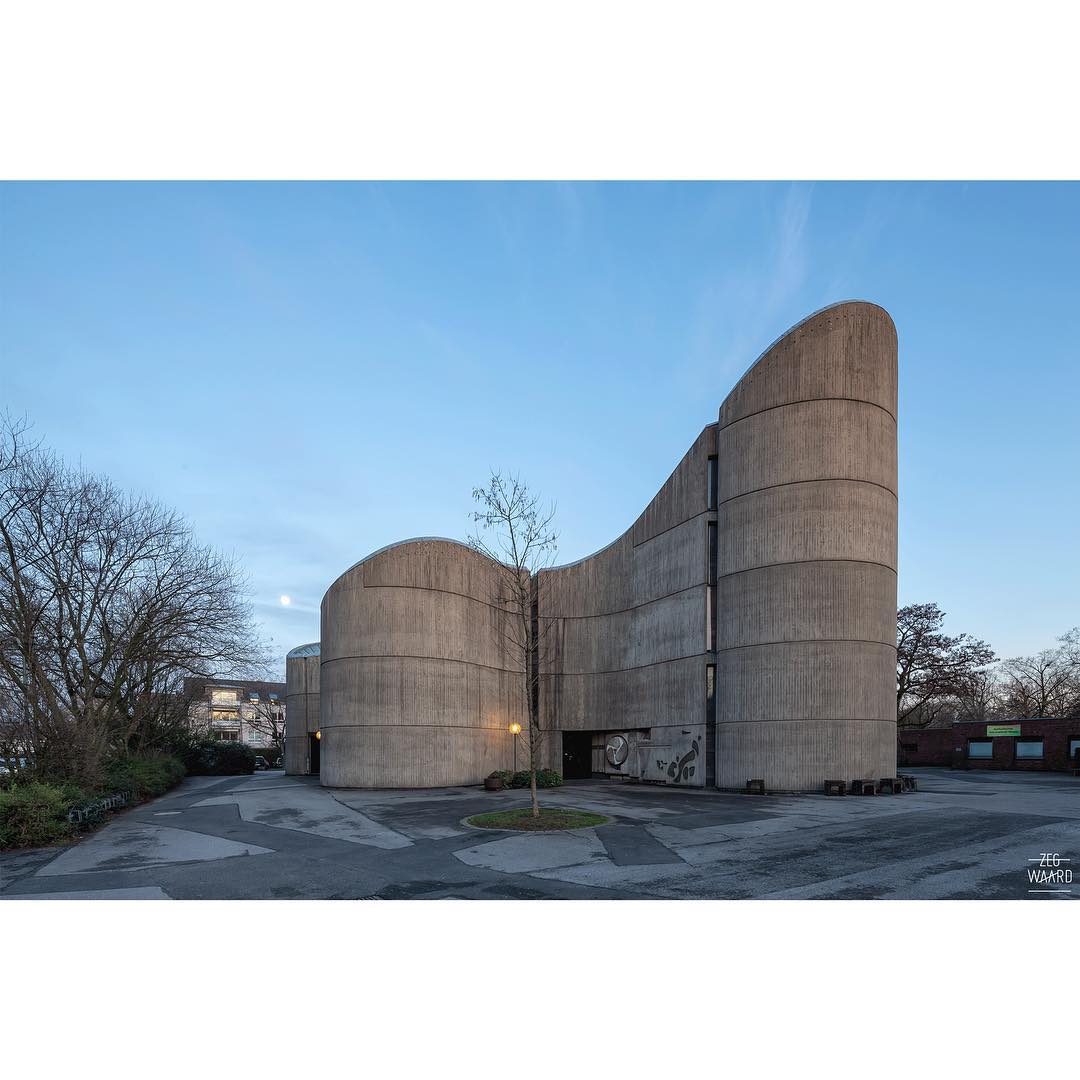
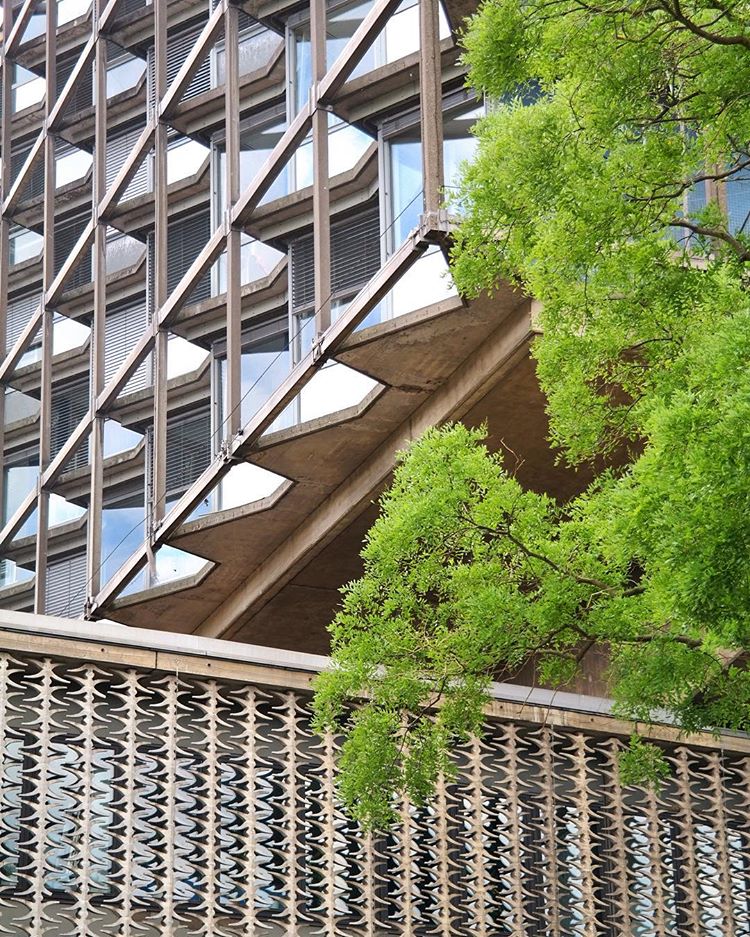
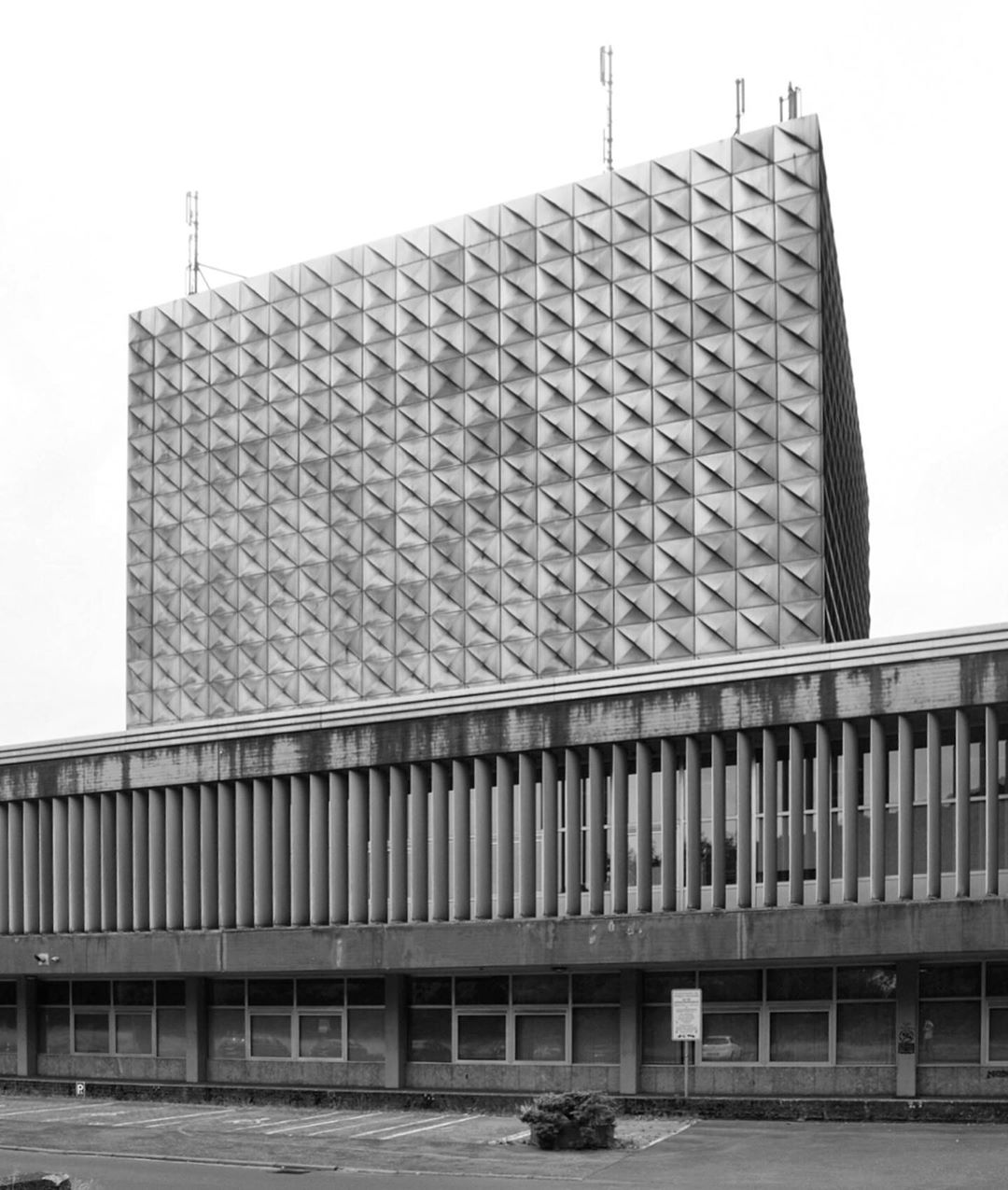
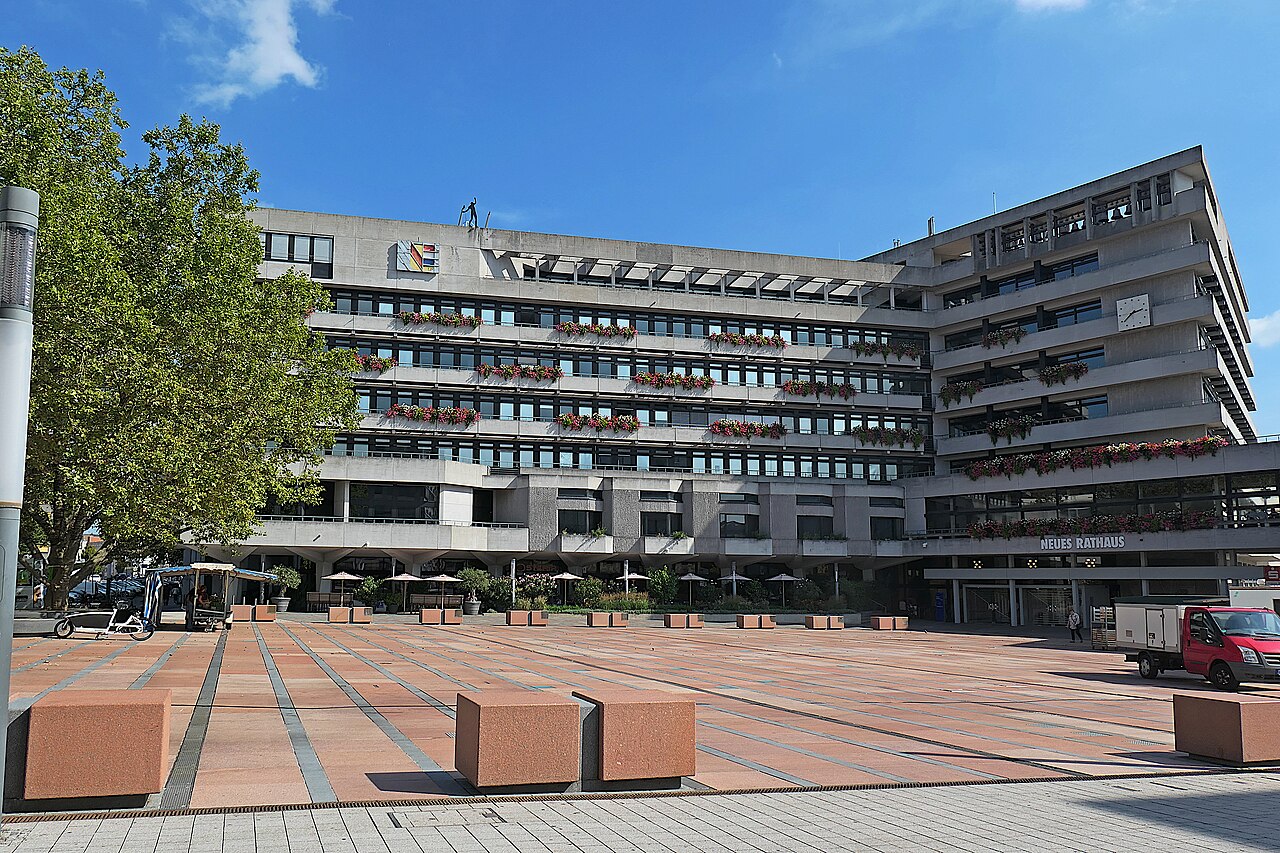
West German brutalism grew out of postwar reconstruction, when cities rebuilt at speed and architects sought forms with more weight and conviction than the light curtain walls of the 1950s. Exposed concrete became the material of churches, universities and civic centers from the early 1960s through the late 1970s. The most distinctive strand is sacred architecture: Gottfried Böhm shaped sculptural concrete churches and town halls, while Werner Düttmann gave West Berlin some of its strongest brutalist institutions, including St. Agnes, now the König Galerie (1967).
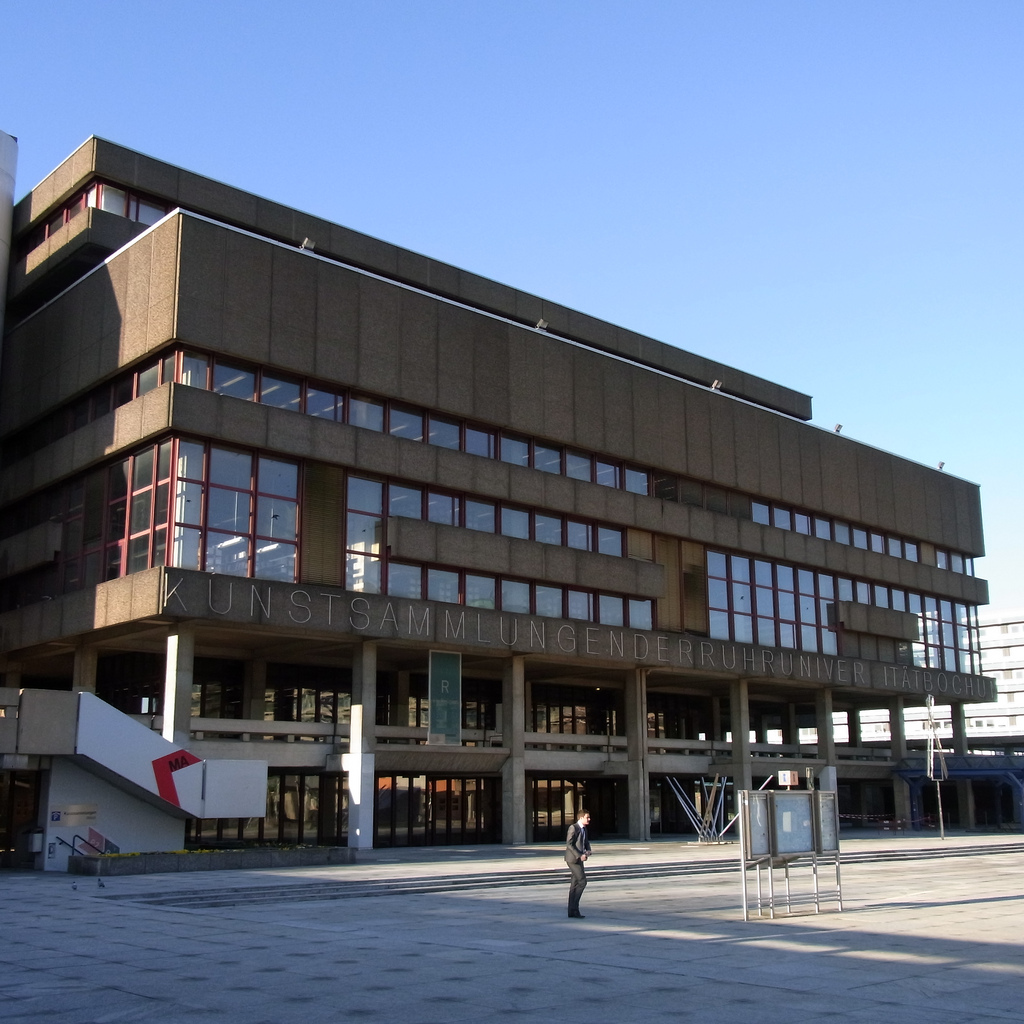
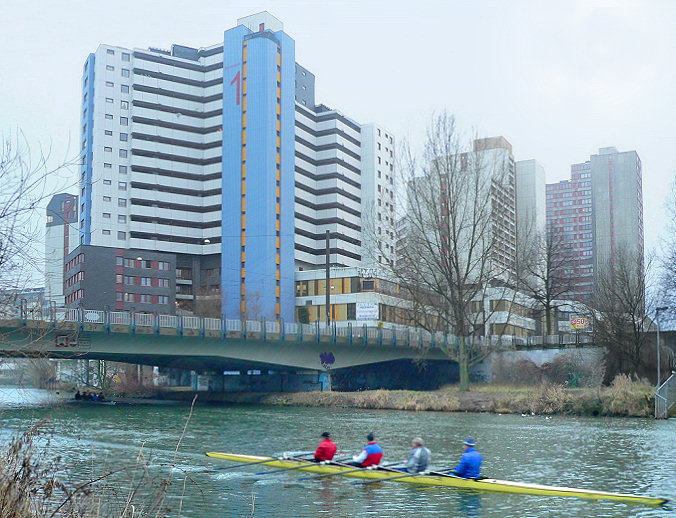
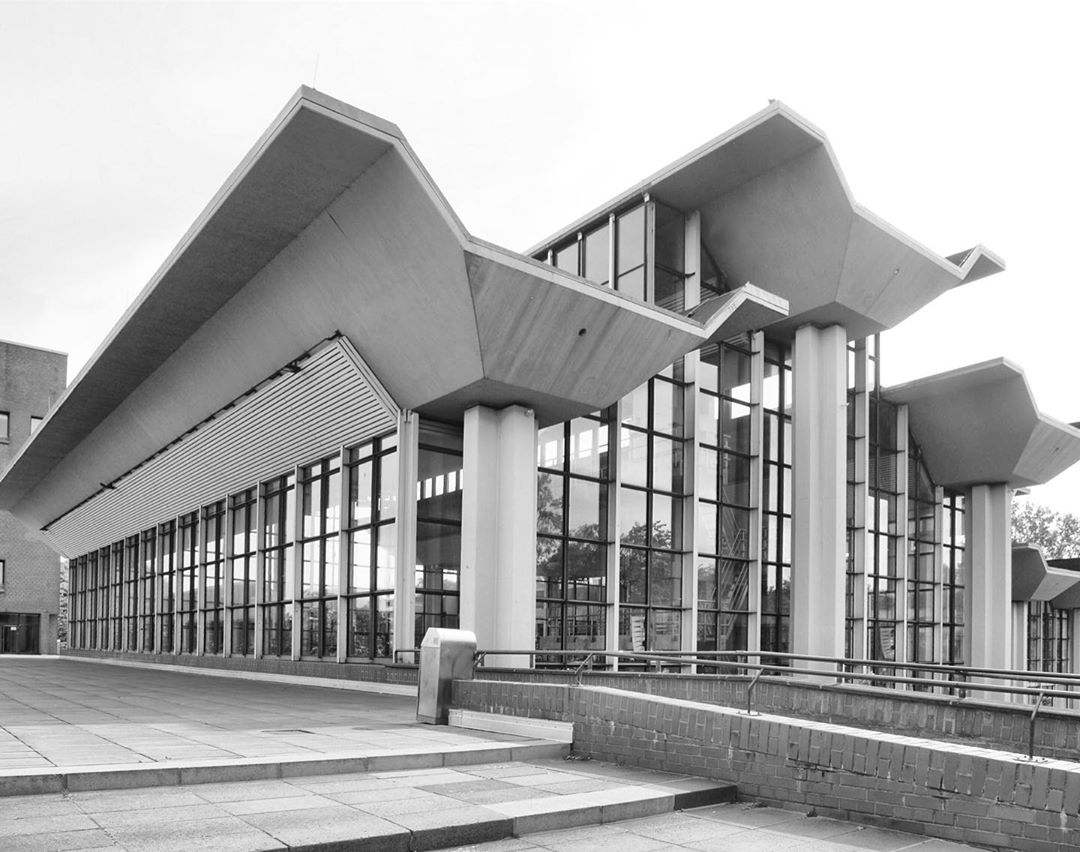
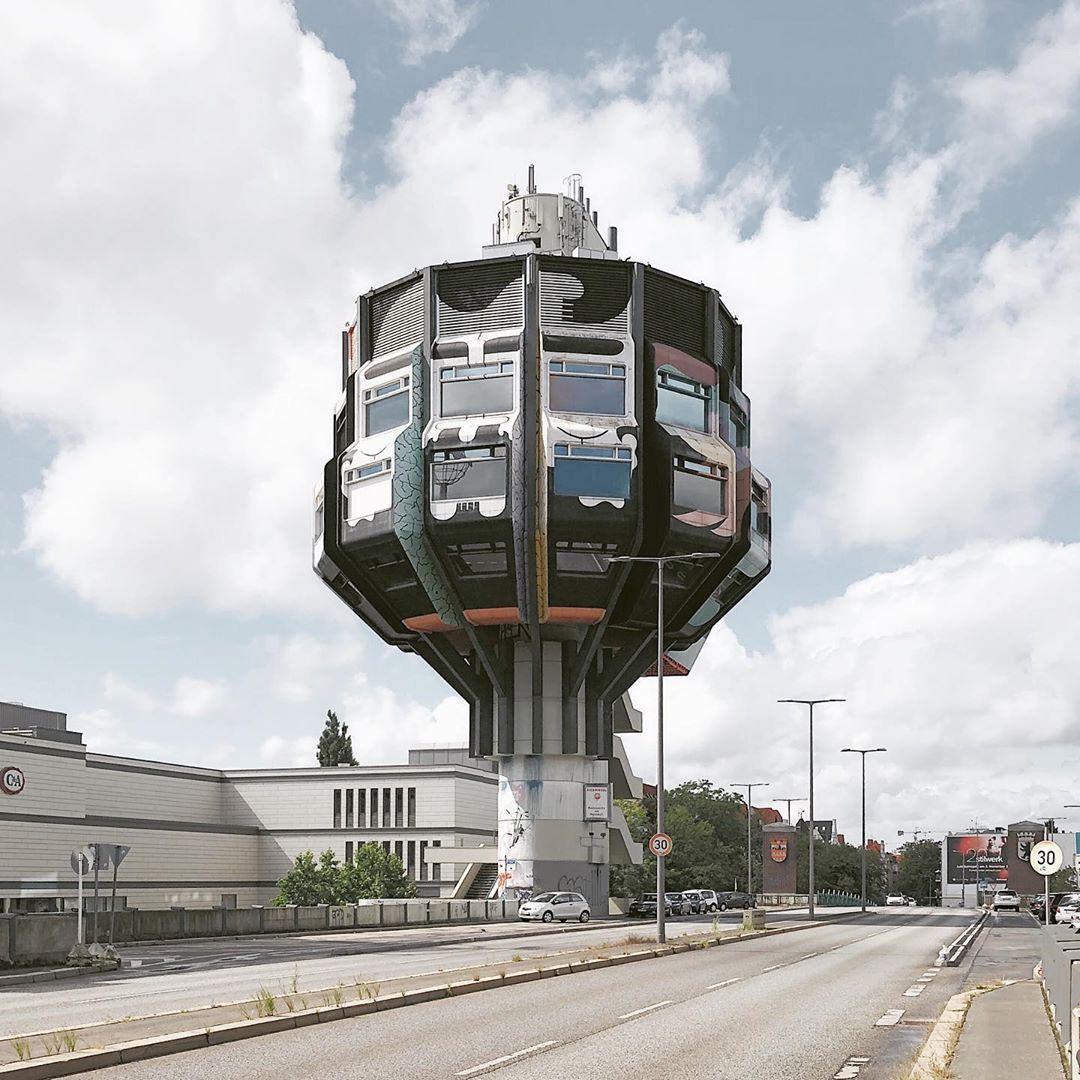
Large commissions defined the era too, from Rolf Gutbrod's cultural buildings in Stuttgart and Berlin to the vast campus of the Ruhr University (1974) and the offices of Hentrich-Petschnigg & Partner. Manfred Lehmbruck designed the Museum Lehmbruck (1964) in Duisburg for his father's sculpture, and Ralf Schüler and Ursulina Schüler-Witte built Berlin's most exuberant technical megastructures. East Germany produced its own concrete monumentalism, making the country unusually rich in both traditions.
Brutalist buildings in Germany








Brutalist architects of Germany