Brutalism in Italy
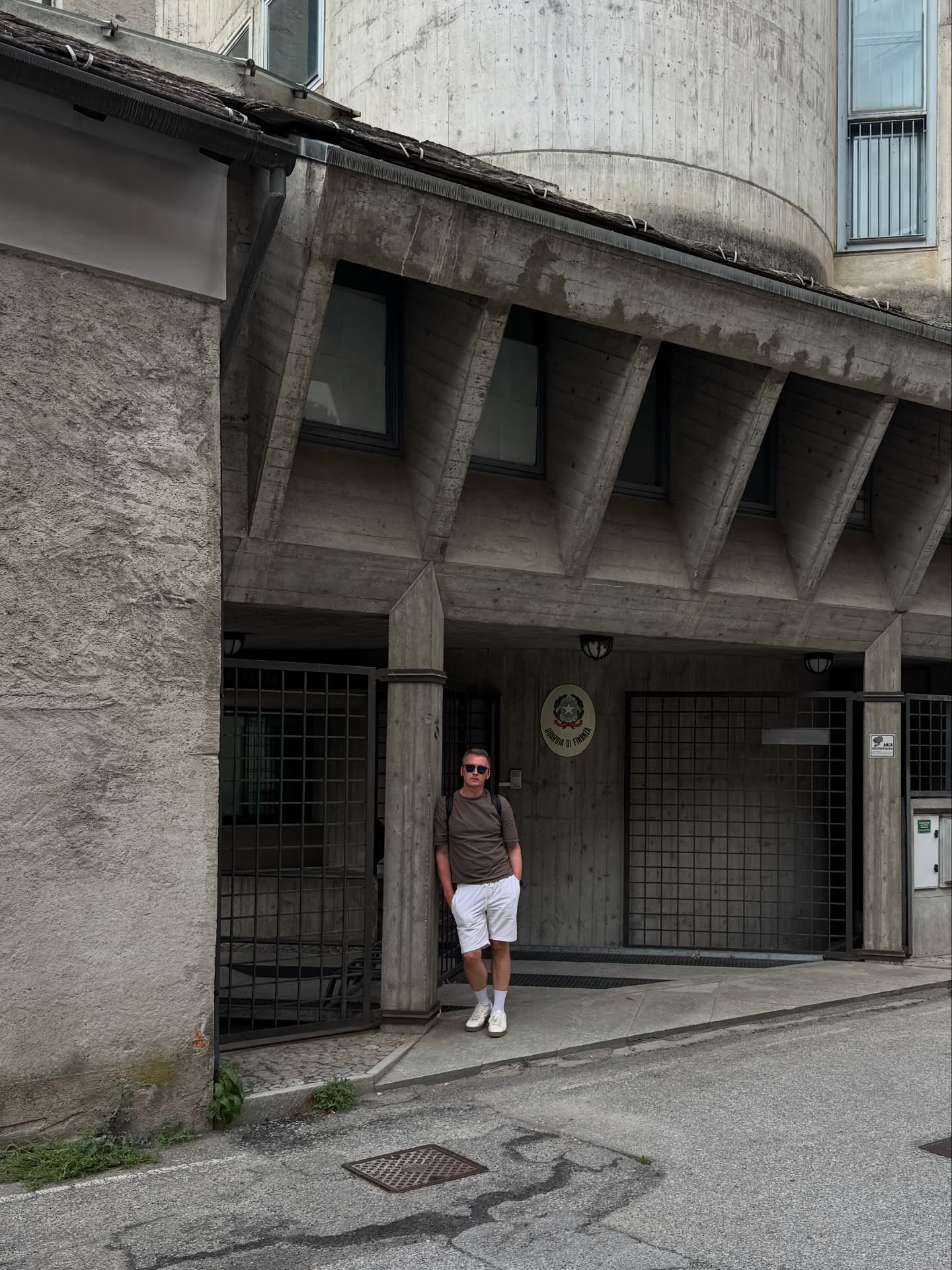
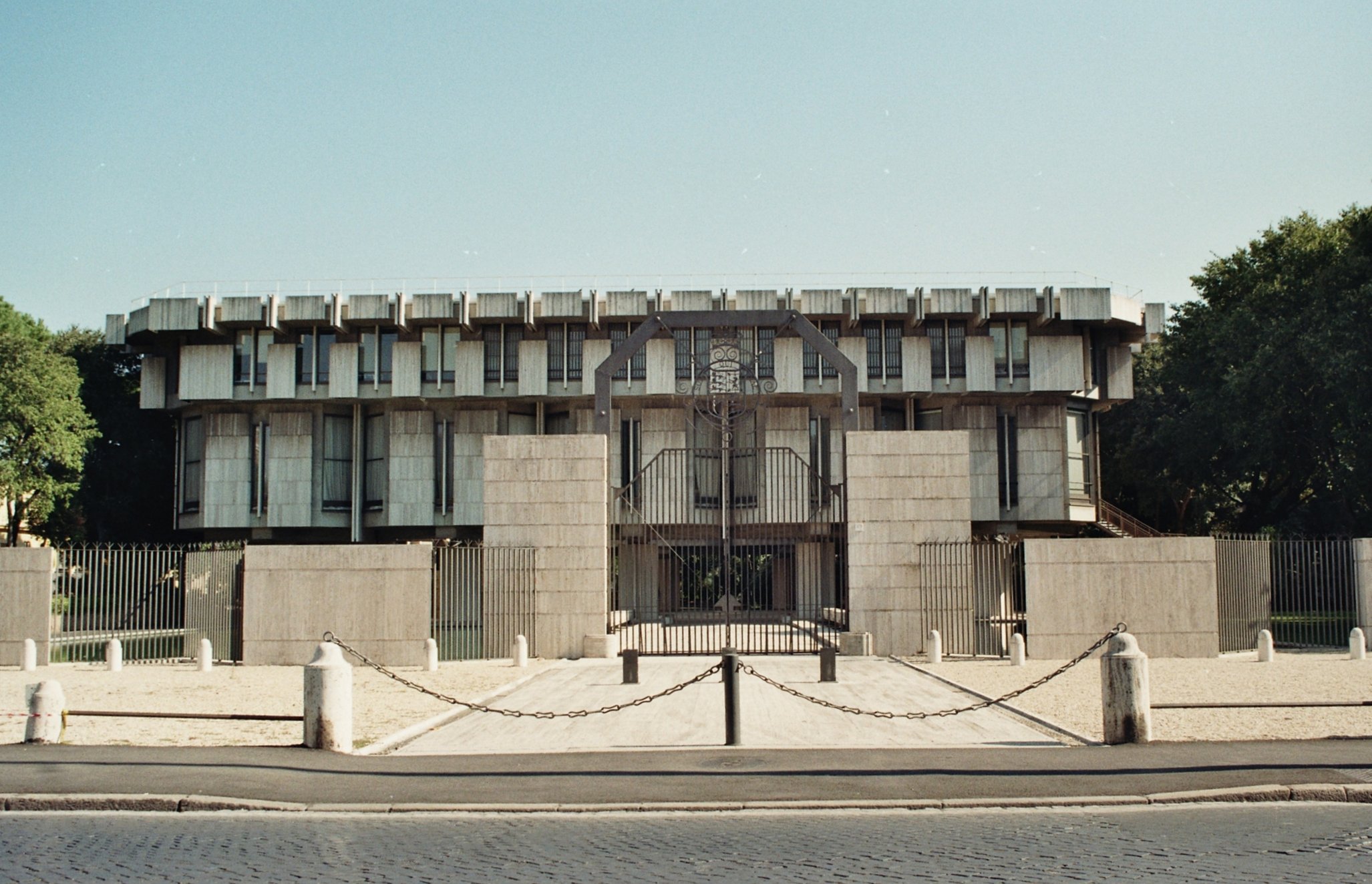
32 brutalist buildings on the map · photos, architects and locations
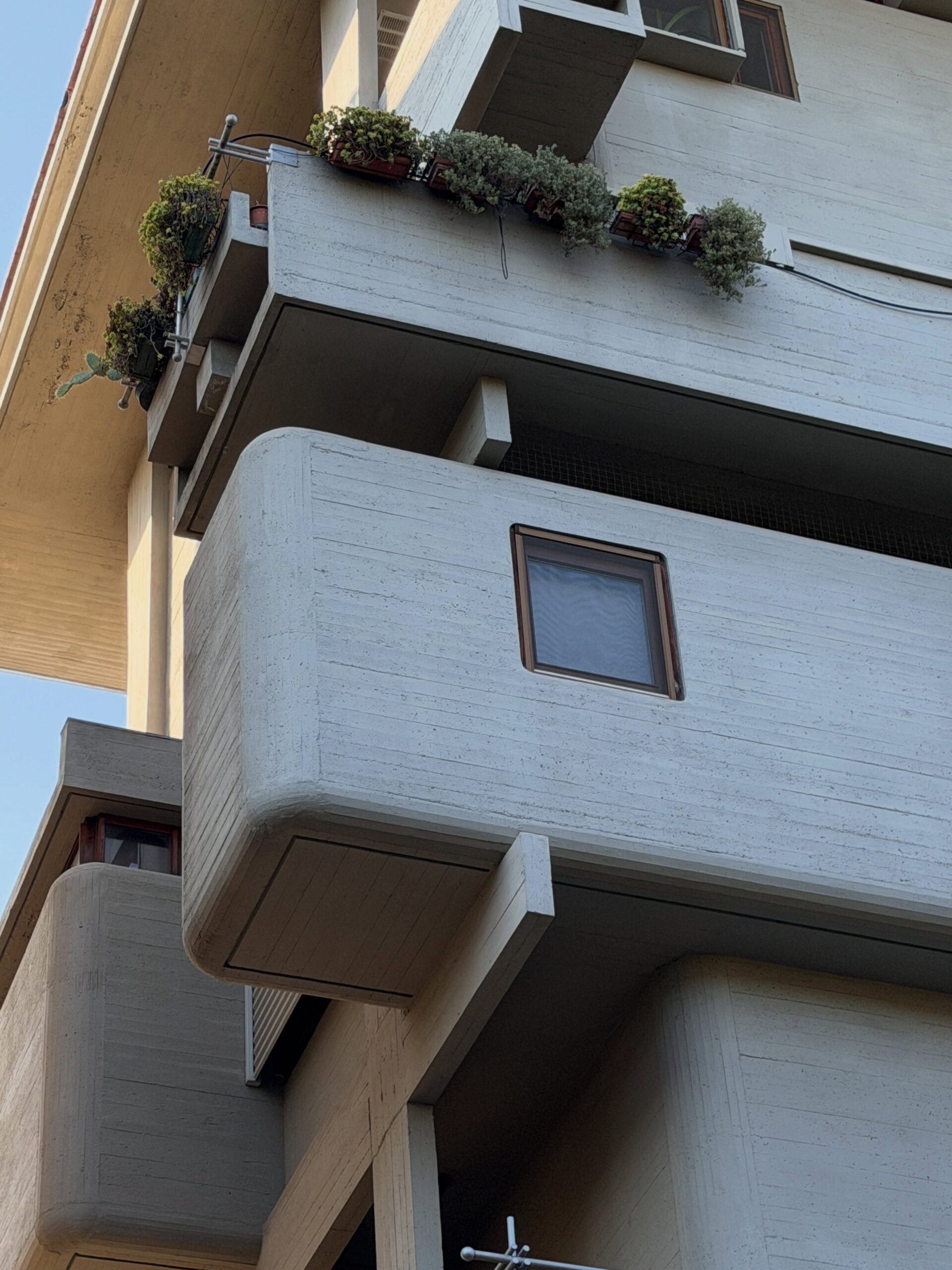
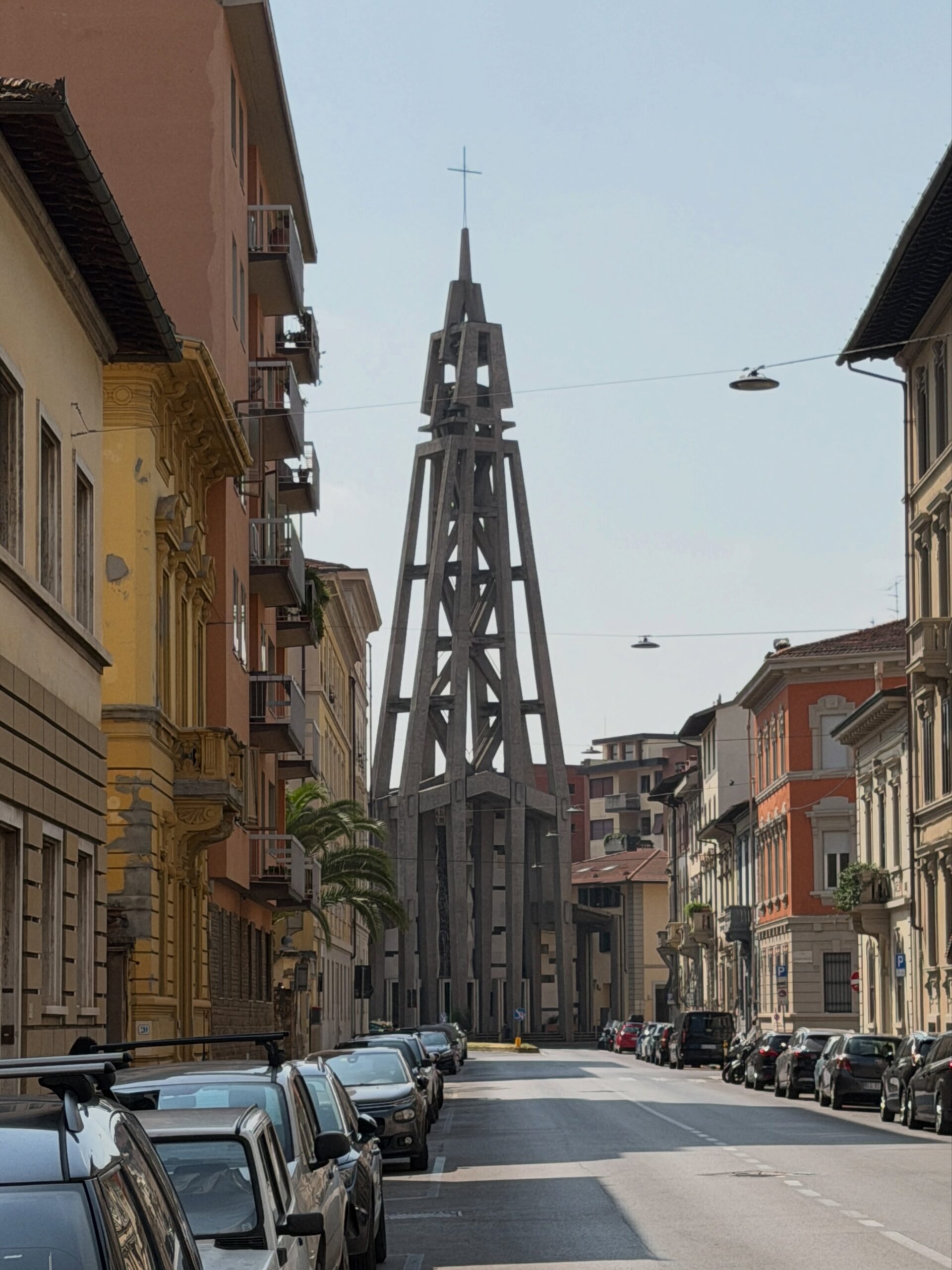
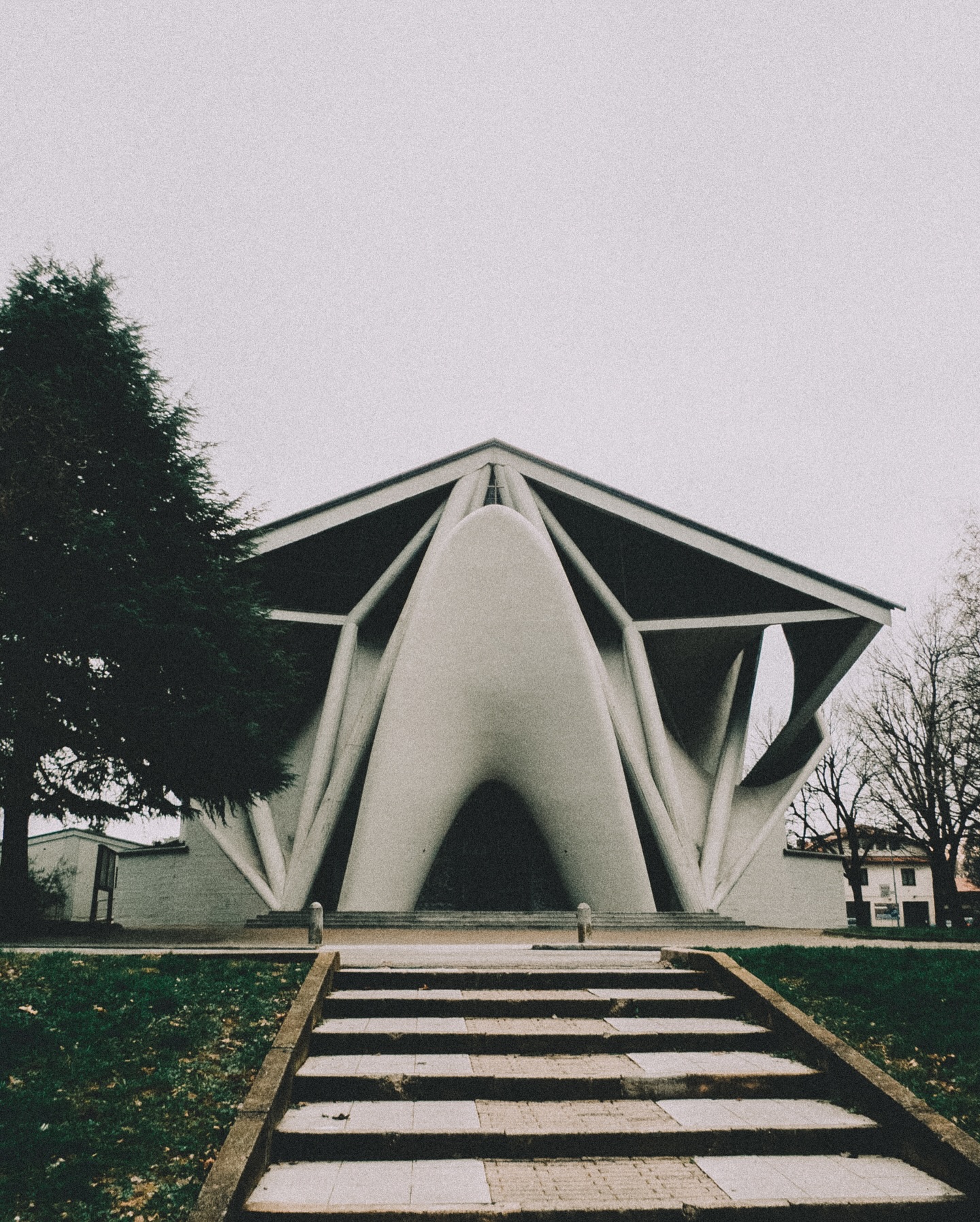
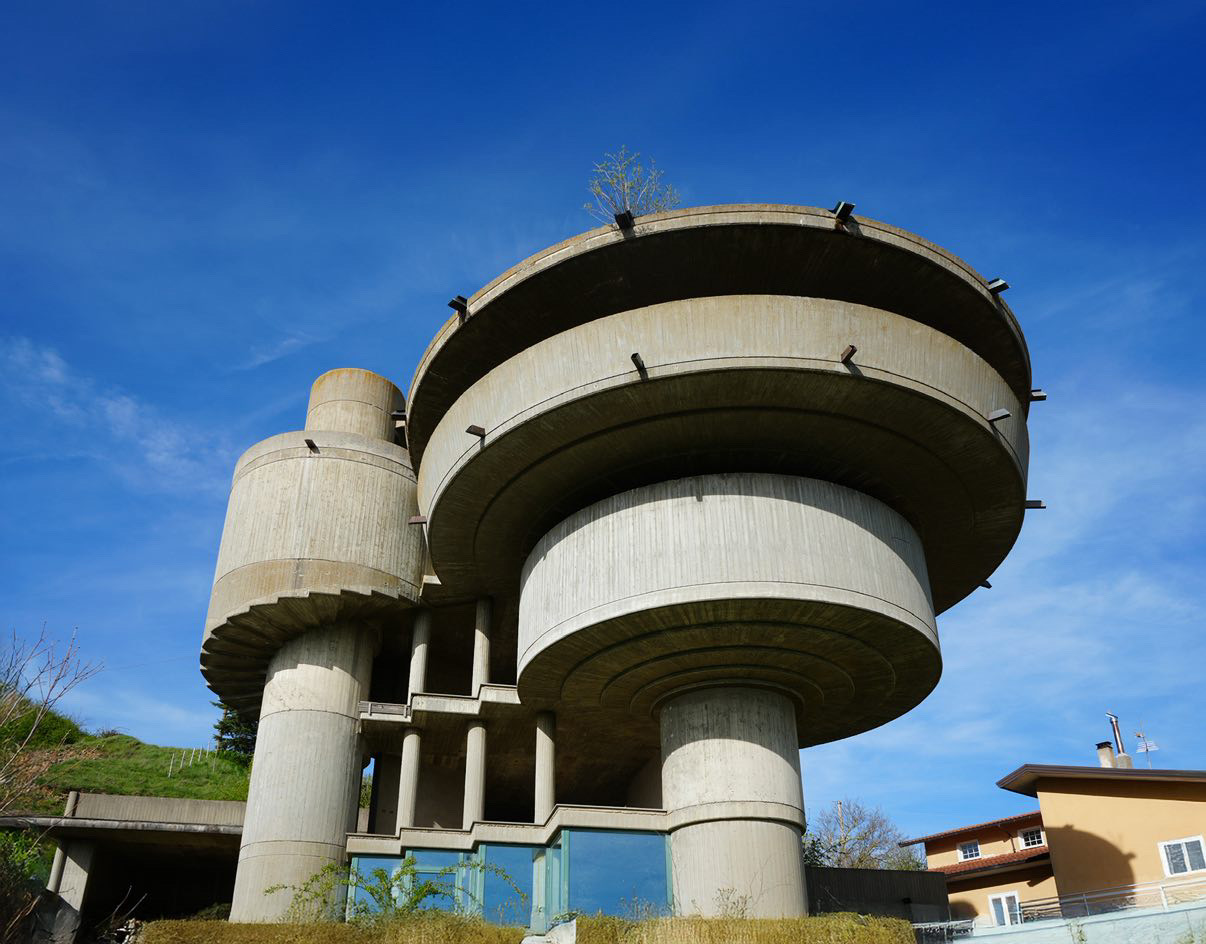
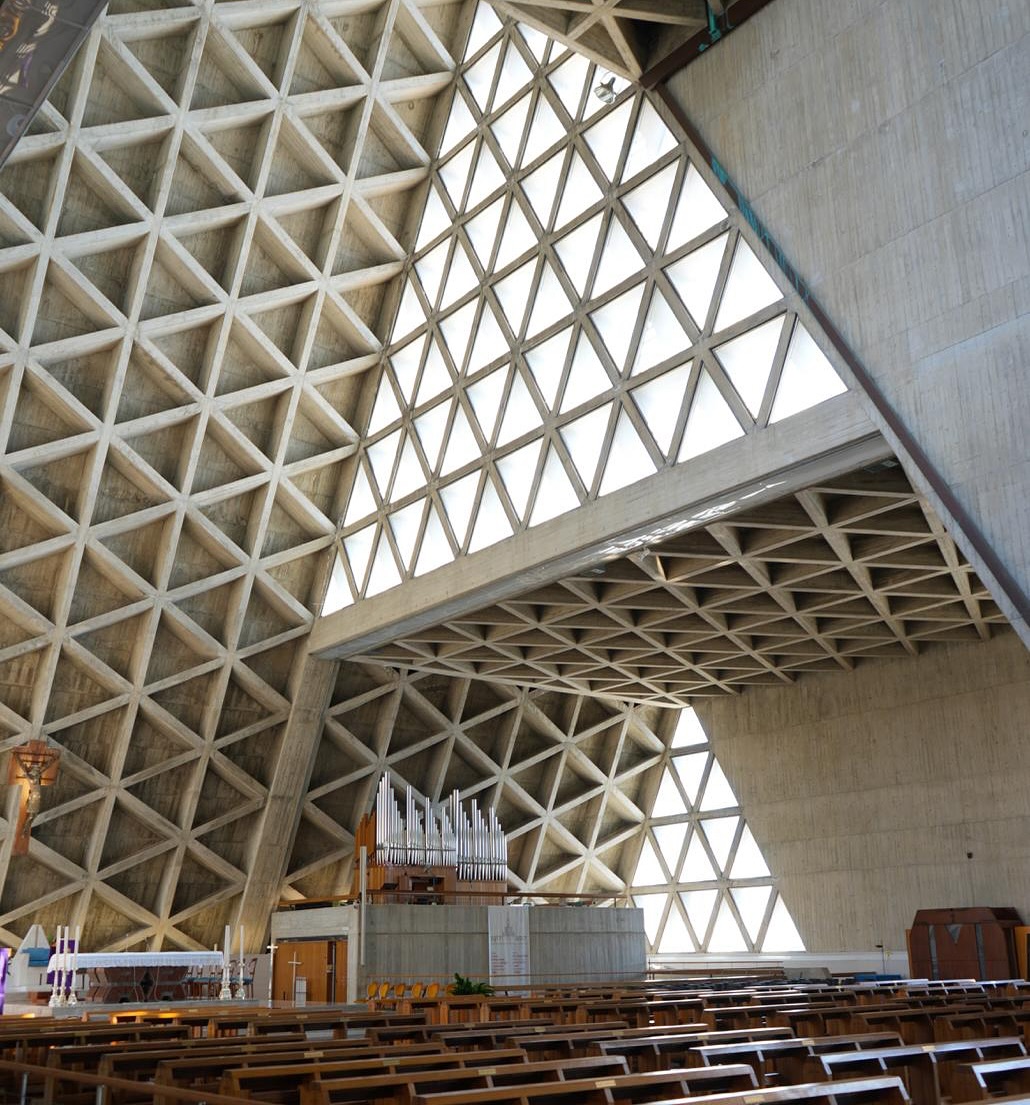
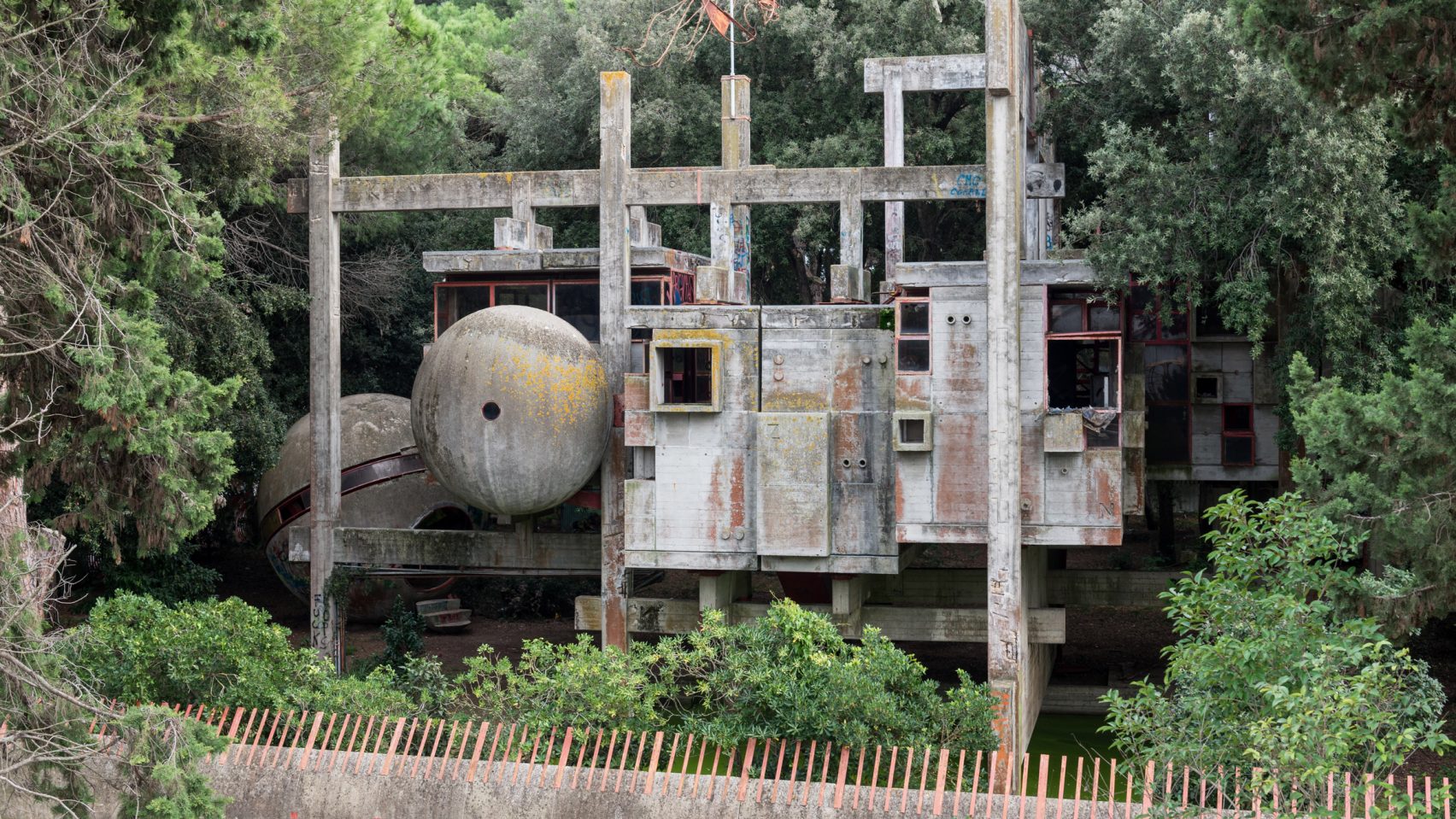
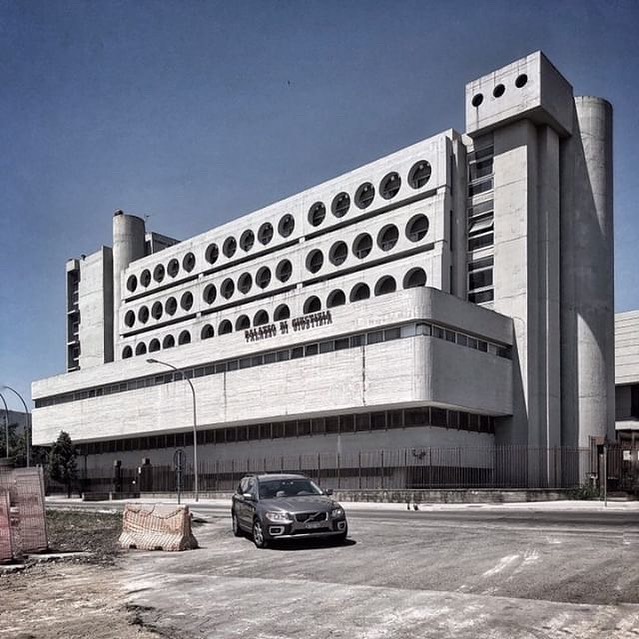
Italy approached brutalism through its own tradition of structural engineering and expressive concrete, developed by architects who had absorbed both Le Corbusier and the country's long masonry culture. From the late 1950s, Italian architects treated beton brut as a plastic, almost sculptural medium rather than a system for mass housing. Giovanni Michelucci pushed church architecture toward organic concrete forms, while his Florentine circle, including Leonardo Savioli and Leonardo Ricci, produced expressionist houses and apartment buildings such as the Casa di Via Piagentina (1967).
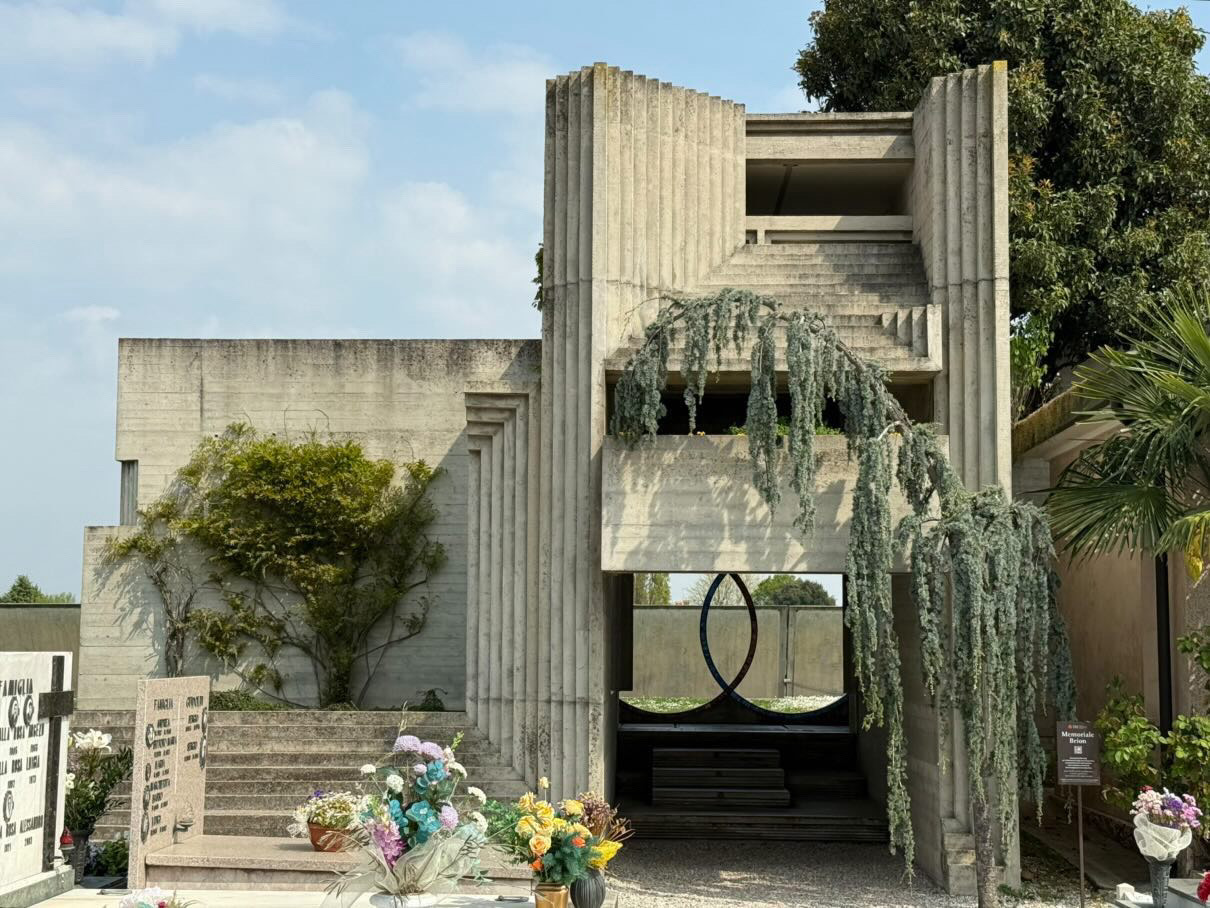
The engineer Sergio Musmeci demonstrated the structural side of the movement with the Ponte sul Basento (1976) in Potenza, a bridge whose thin concrete membrane remains a landmark of form-finding design. Carlo Scarpa worked at a more intimate scale, and his Tomba Brion in Altivole, Italy (1978) shows concrete handled with craftsmanlike precision. Italian brutalism is therefore less a unified school than a set of strong regional voices spanning churches, infrastructure and memorials.
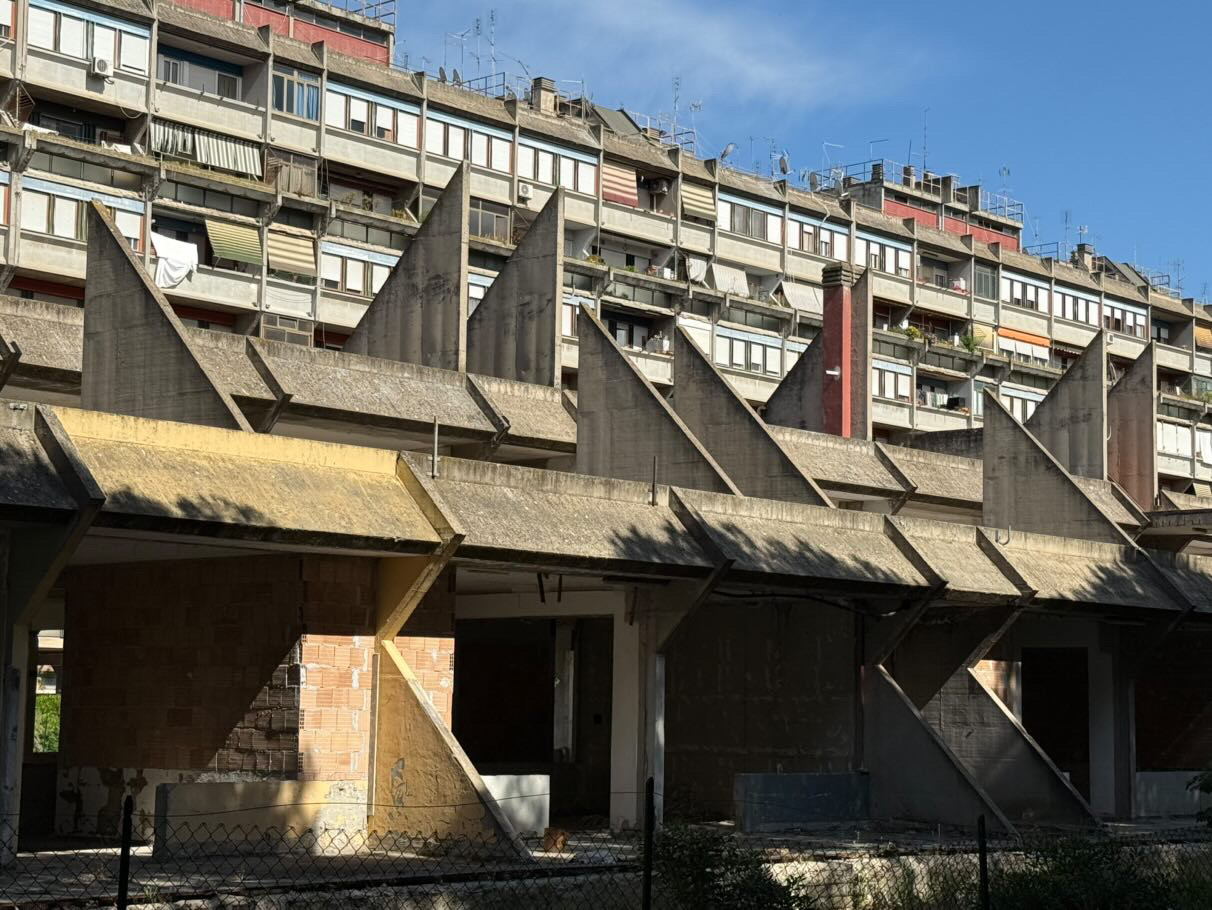
Brutalist buildings in Italy









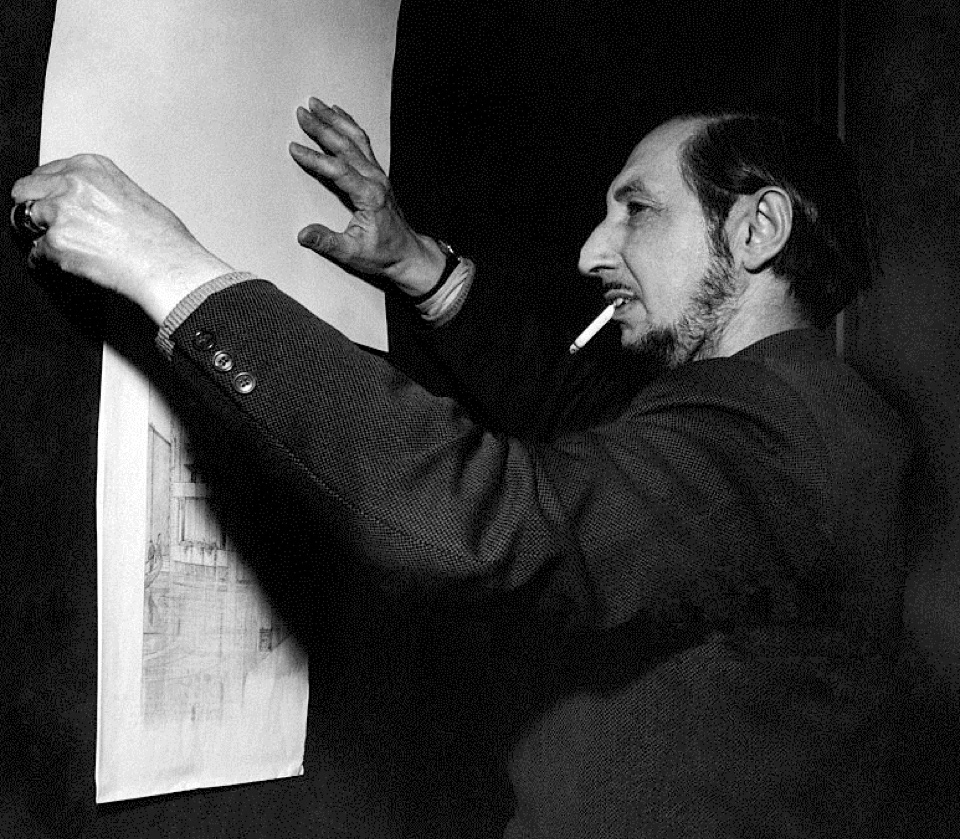
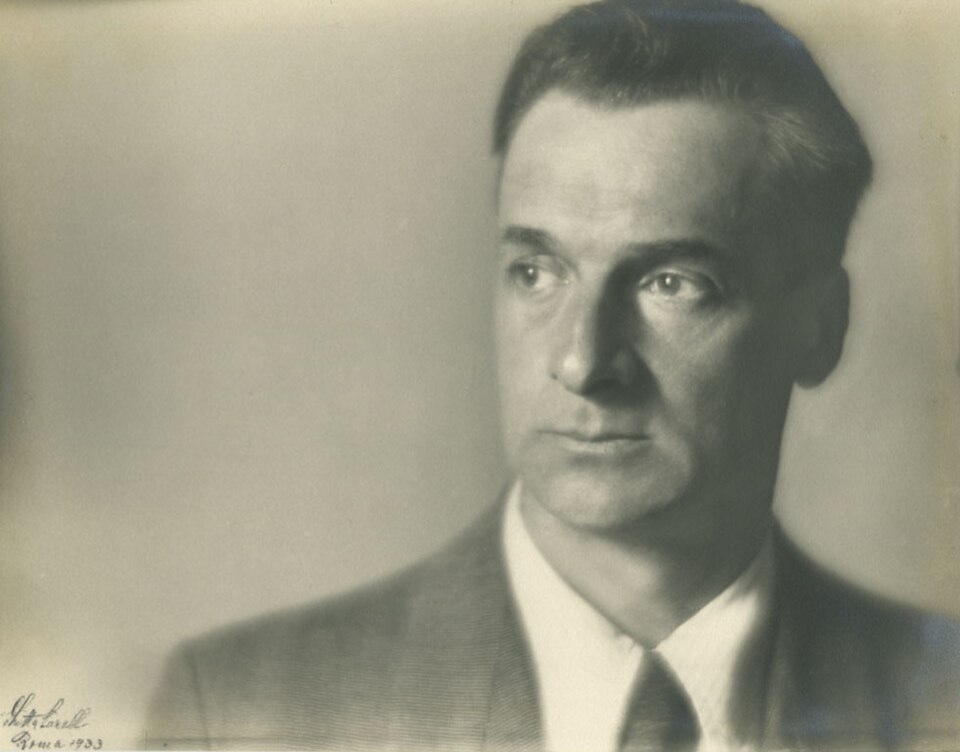
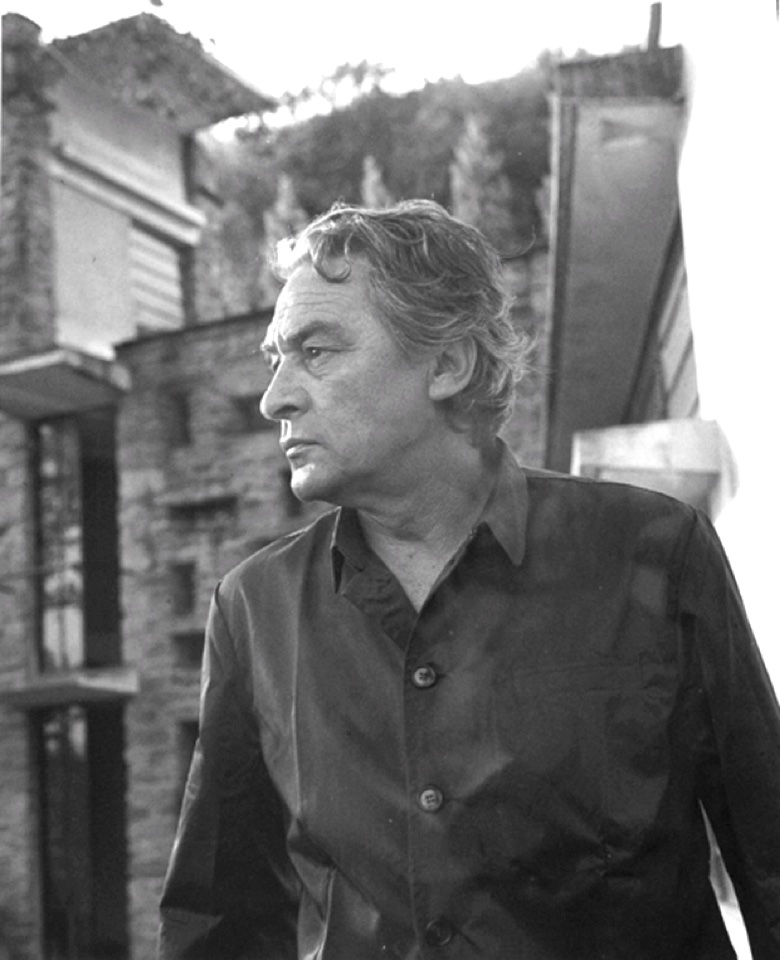
Brutalist architects of Italy