Brutalism in Spain
15 brutalist buildings on the map · photos, architects and locations
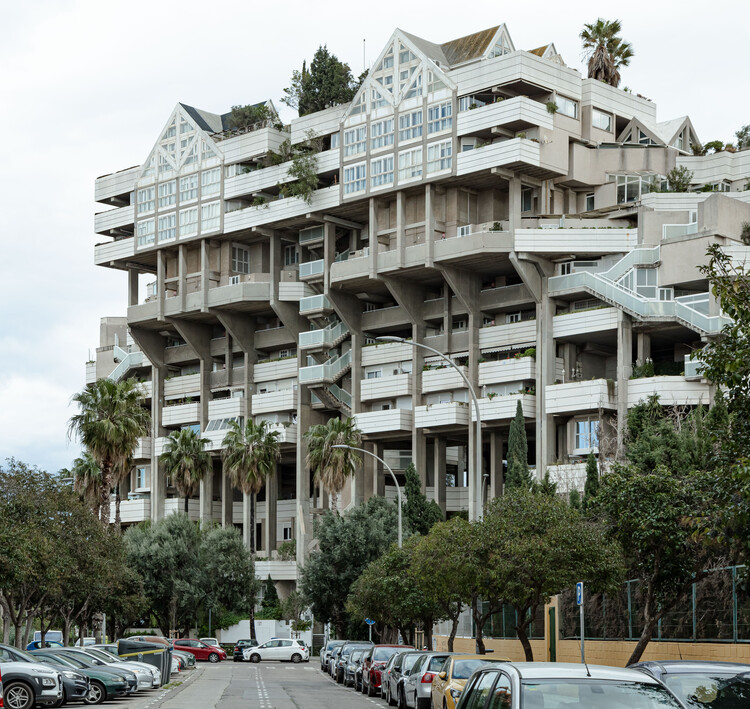
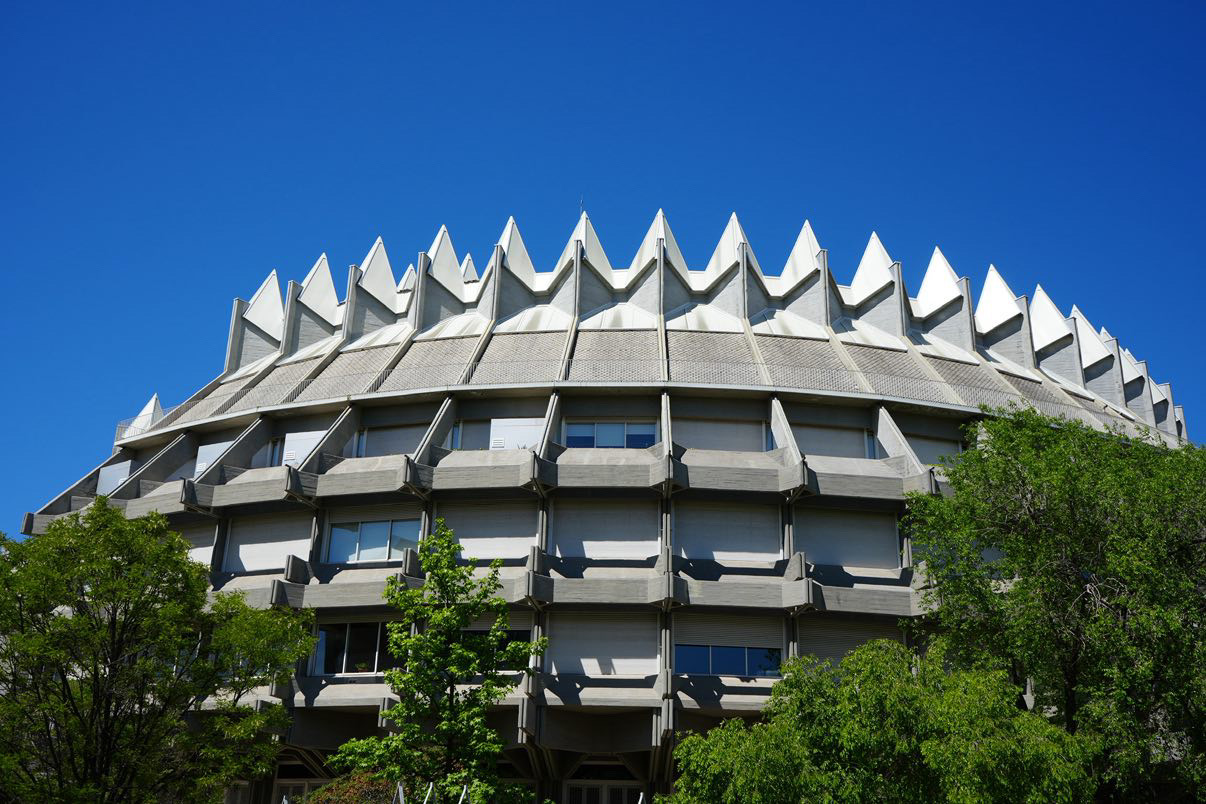
Spanish brutalism developed during the late Franco years, when a generation of architects absorbed international modernism and gave it an expressive, often organic turn. Madrid holds two of its landmarks: Torres Blancas (1969) by Francisco Javier Sáenz de Oiza, a vertical garden city of curved concrete cylinders, and the crown-like Instituto del Patrimonio Cultural de España (1970) by Fernando Higueras and Antonio Miró, known locally as the Corona de Espinas.
The movement spread beyond the capital, from Miguel Fisac's bone-like concrete structures to university and school buildings across the country. In the Canary Islands, Javier Díaz-Llanos and Vicente Saavedra adapted exposed concrete to the volcanic landscape of Tenerife, producing some of Spain's most consistent brutalist work of the 1960s and 1970s.
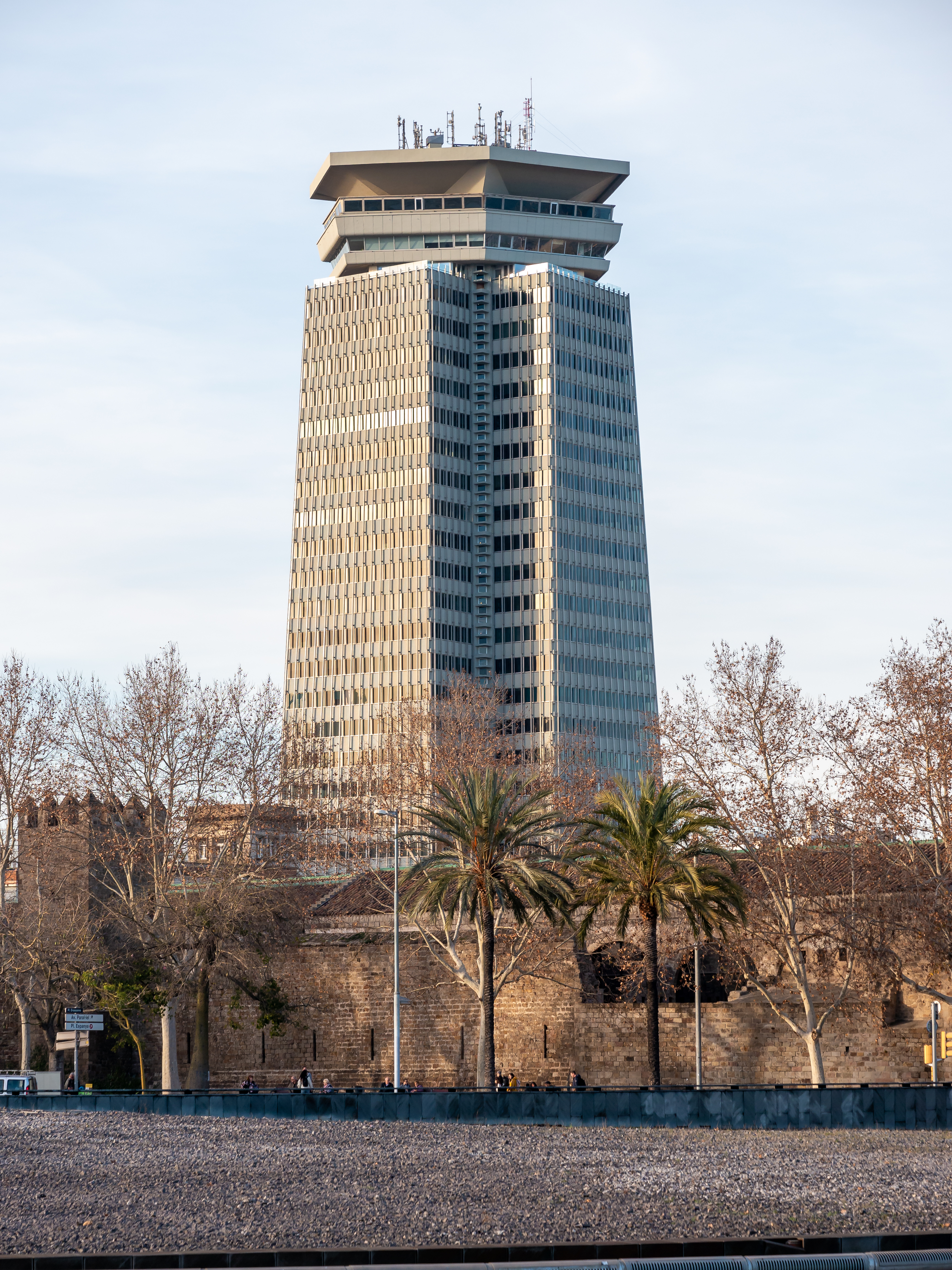
Brutalist buildings in Spain








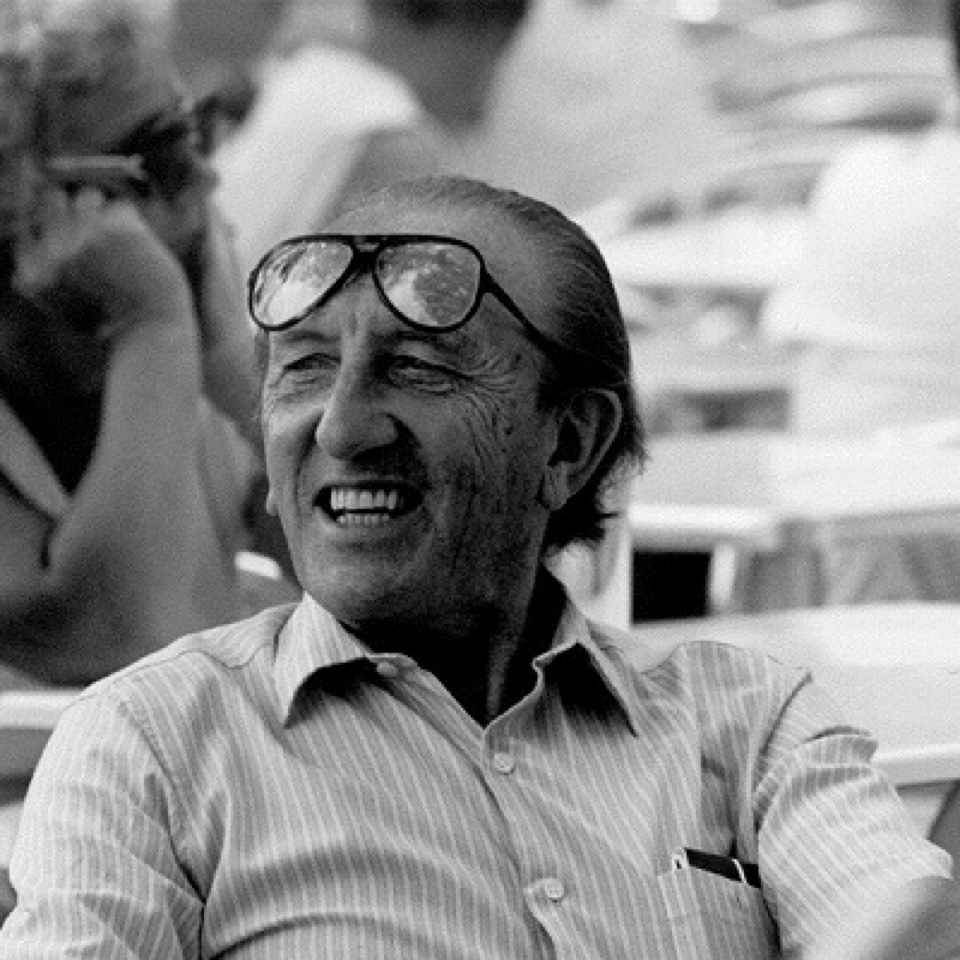
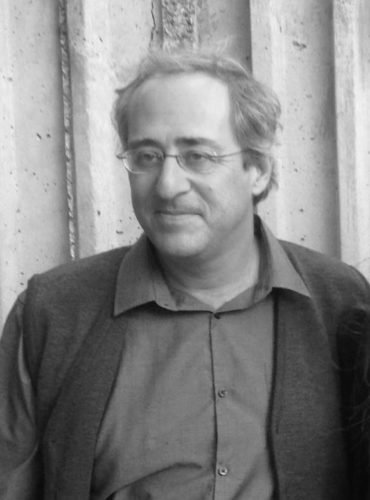
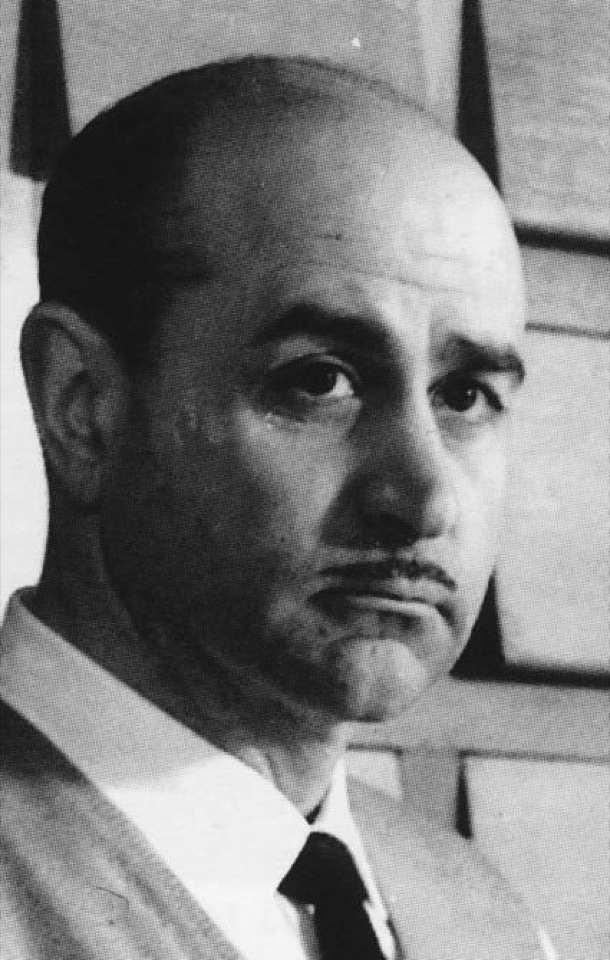
Brutalist architects of Spain