Brutalism in Canada
18 brutalist buildings on the map · photos, architects and locations
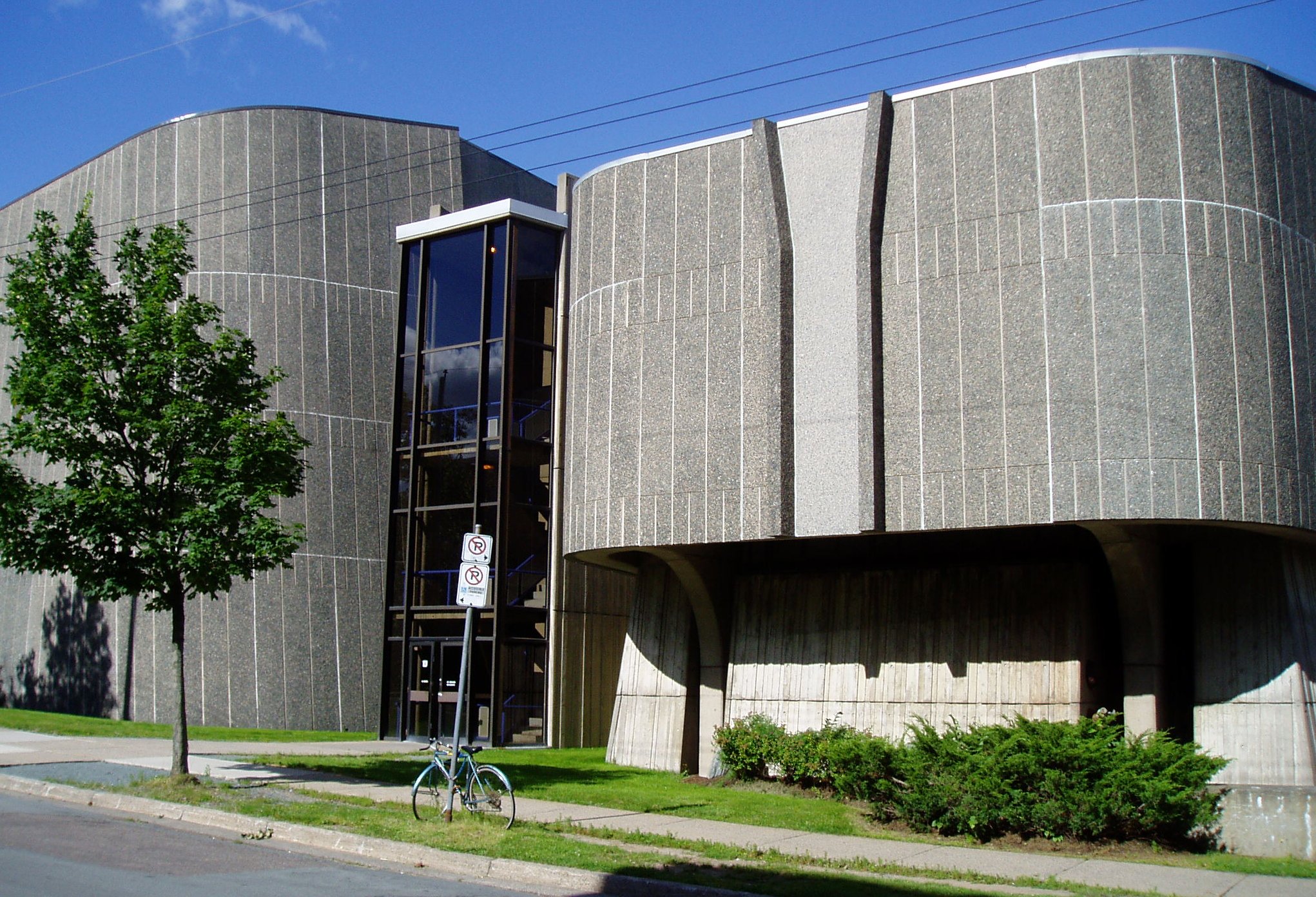
Canada built more brutalism per capita than almost any other country, driven by the postwar university boom, Expo 67 and the centennial construction wave of 1967. Concrete suited both the climate and the era's civic ambition, producing interconnected megastructure campuses and cultural complexes across the provinces. John Andrews set the tone with Scarborough College at the University of Toronto (1964), a continuous terraced building that drew international attention, followed by the Mathematics and Computer Building, University of Waterloo (1968).
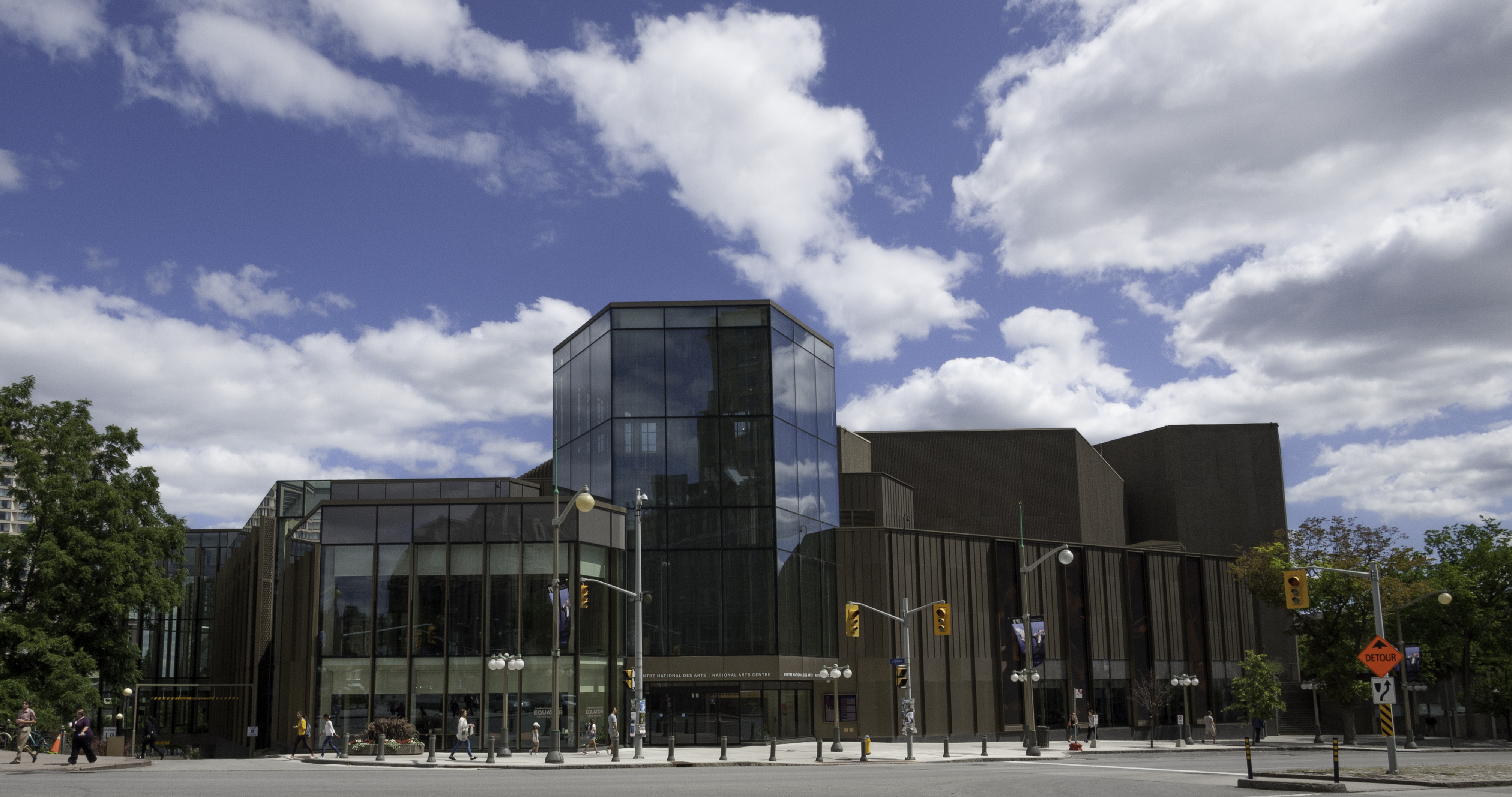
Fred Lebensold designed the National Arts Centre (1969) in Ottawa on a hexagonal grid of bush-hammered concrete, and Moshe Safdie's Habitat 67 in Montreal stacked prefabricated housing modules into the movement's most famous experiment. Regional firms such as Libling Michener and Associates in Winnipeg, authors of the Public Safety Building (1966), carried the idiom into the prairie cities.
Brutalist buildings in Canada




Brutalist architects of Canada