Brutalism in Switzerland
21 brutalist buildings on the map · photos, architects and locations
Switzerland's concrete tradition predates brutalism proper: Karl Moser's Antonius Church (1927) in Basel was among Europe's first monumental reinforced concrete churches, and it prepared the ground for the postwar generation. From the 1950s, Swiss architects combined Corbusian ideas with exacting local building culture, producing brutalism that is rigorous rather than rhetorical. Atelier 5 became internationally influential with the Halen estate near Bern, a model of dense low-rise concrete housing studied across Europe.
Sacred architecture is the other Swiss strength. Walter Maria Förderer designed crystalline sculptural churches such as St. Klemenz (1969), while Hermann Baur and Otto Glaus advanced modern Catholic church building in concrete. Pierre Zoelly, co-author of the Musée International d'Horlogerie (1974) in La Chaux-de-Fonds, showed how the idiom could go underground entirely. Swiss brutalism remains well preserved, thanks to careful detailing and a strong maintenance culture.
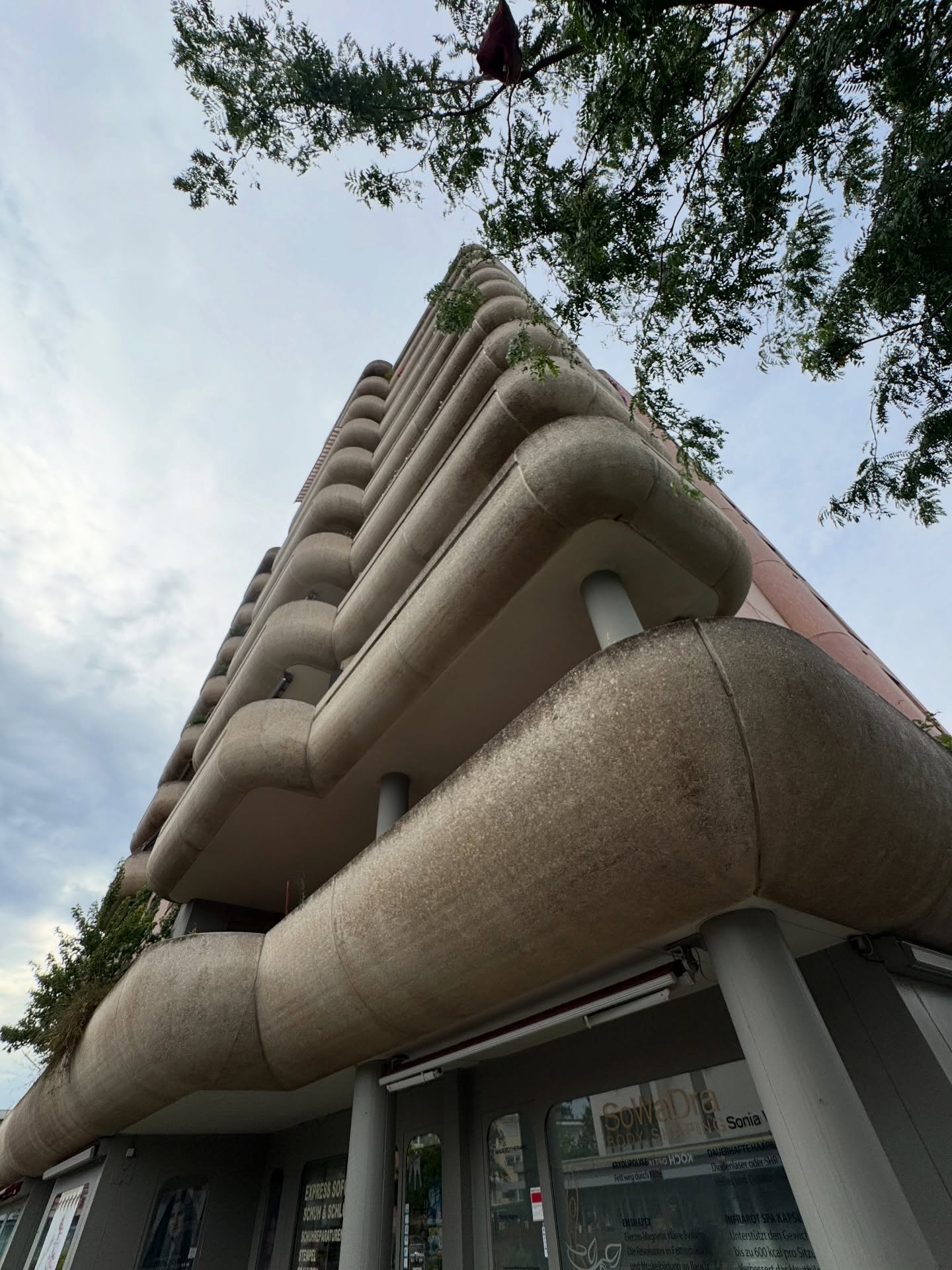
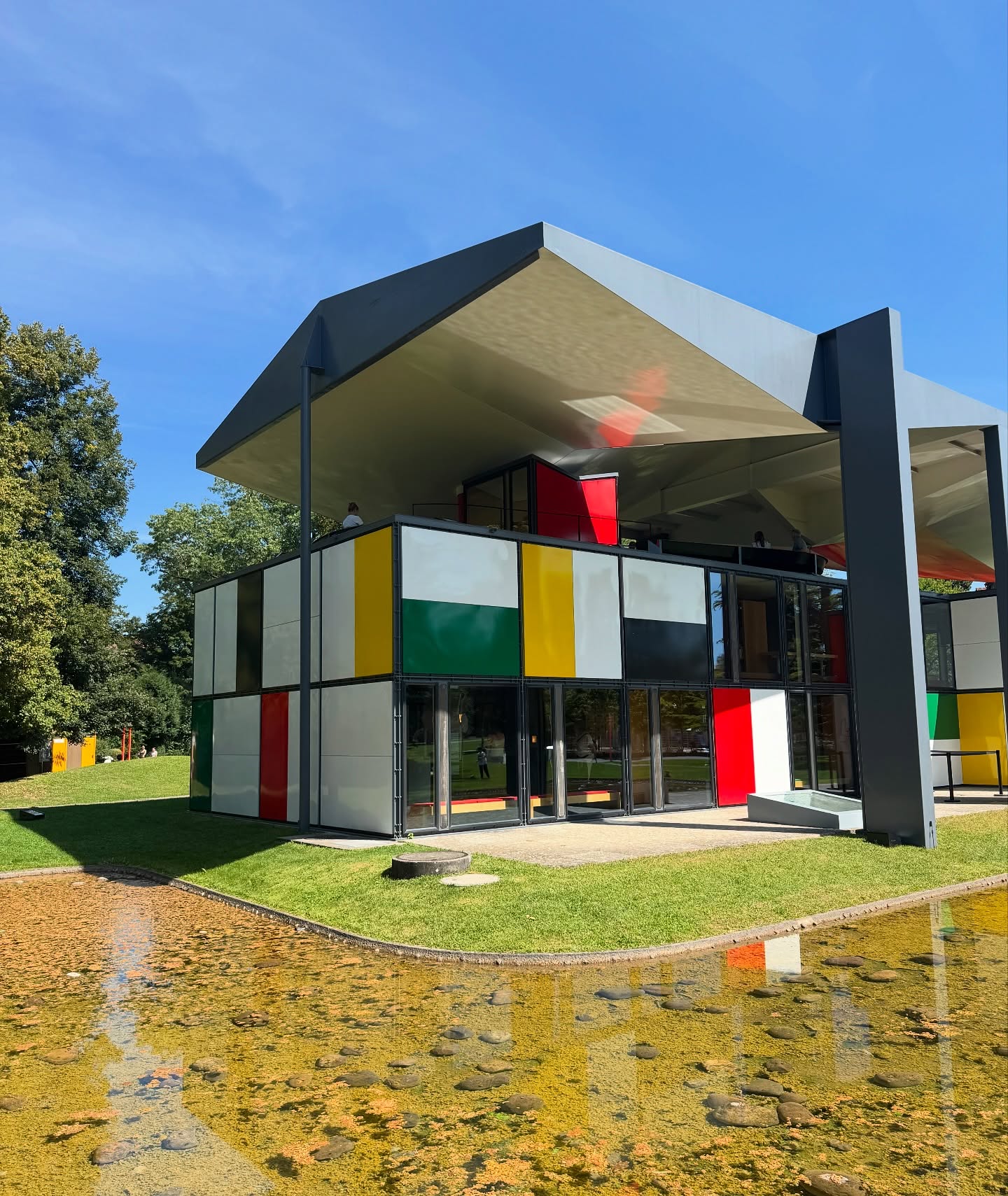
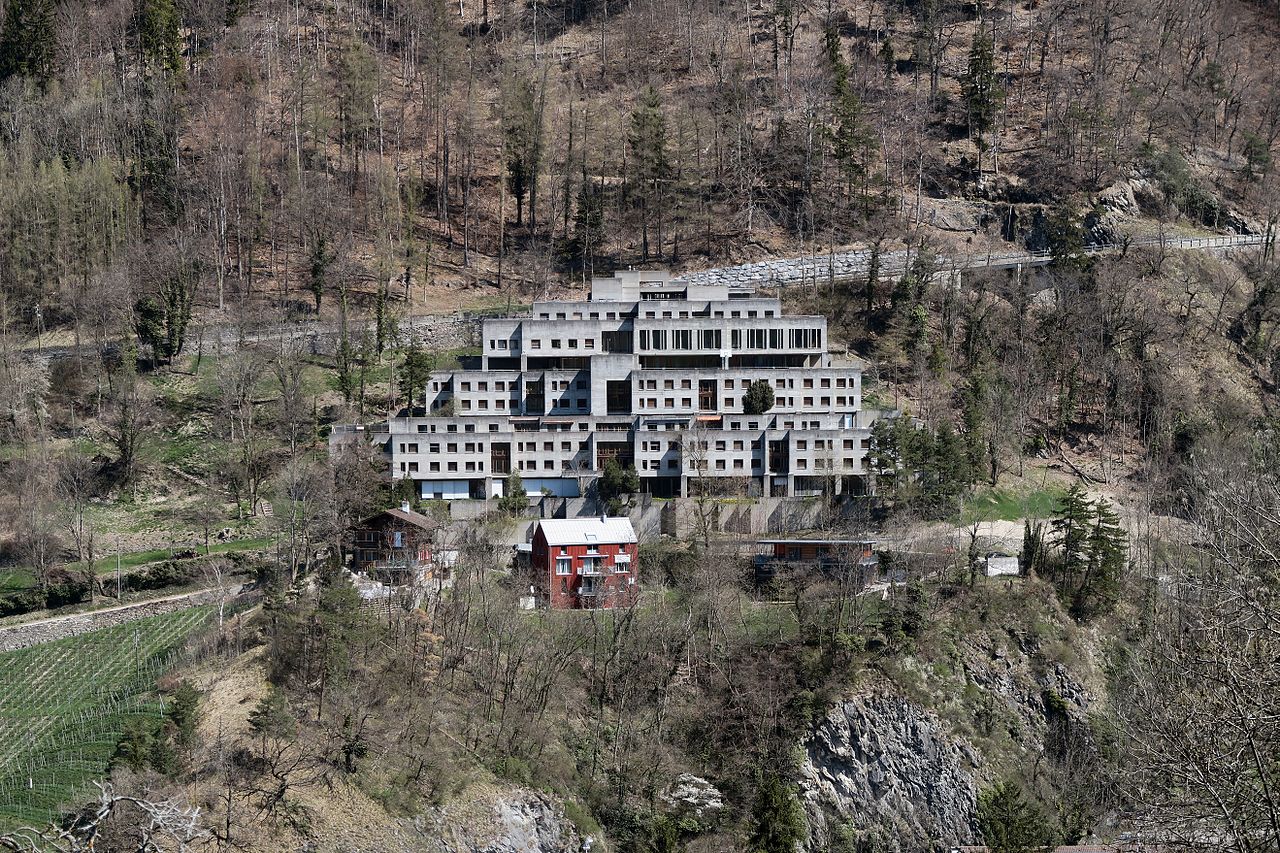
Brutalist buildings in Switzerland




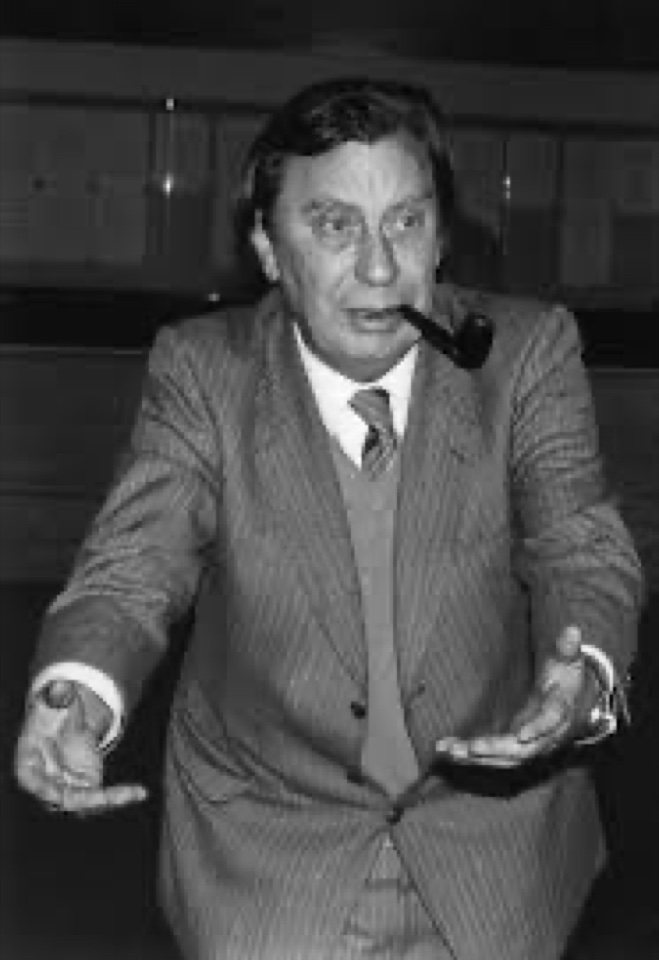
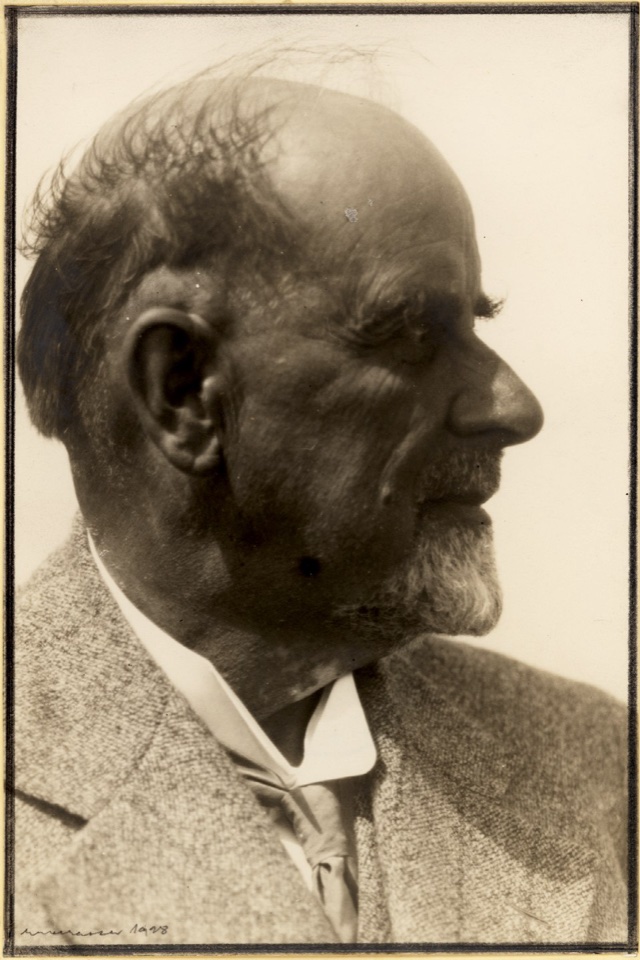
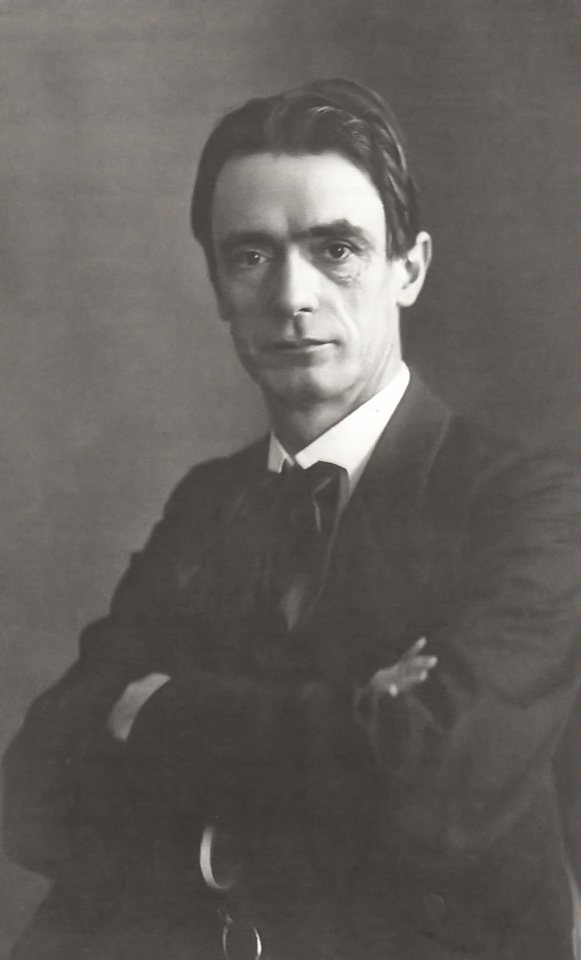
Brutalist architects of Switzerland