Brutalism in Japan
32 brutalist buildings on the map · photos, architects and locations
Concrete modernism reached Japan through Antonin Raymond, who worked with Frank Lloyd Wright in the 1920s and pioneered exposed concrete there, and through Kunio Maekawa and Junzo Sakakura, both trained in Le Corbusier's Paris atelier. After 1945 concrete answered two local demands at once: fire and earthquake resistance and a fast national rebuilding. Maekawa's Metropolitan Festival Hall (1961) in Ueno stands directly opposite Le Corbusier's museum as a statement of the lineage.
The 1960s brought a confident structural expressionism tied to the Metabolist movement. Kenzo Tange fused concrete with references to traditional timber joinery at the Kagawa Prefectural Gymnasium (1964) and the Yamanashi Cultural Center (1966), a megastructure of sixteen service towers. Sachio Otani and Togo Murano extended the idiom through civic halls, while a generation later Tadao Ando refined exposed concrete into the minimal precision of Azuma House (1976).
Brutalist buildings in Japan




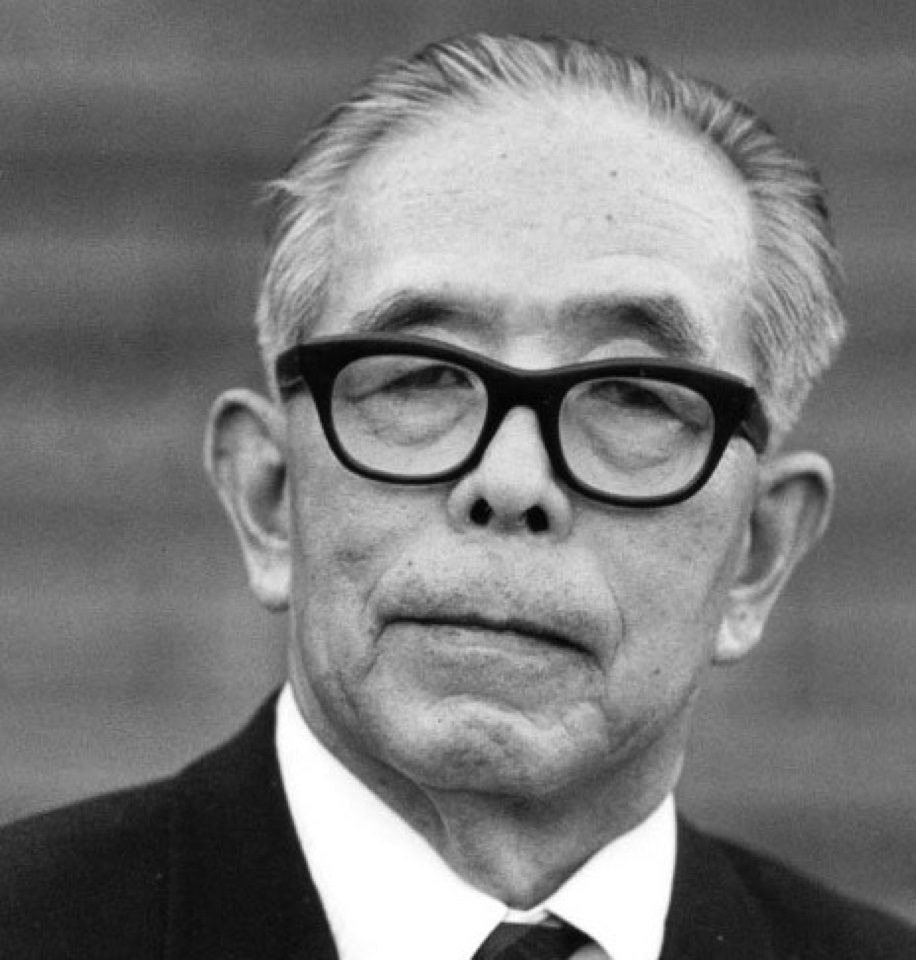
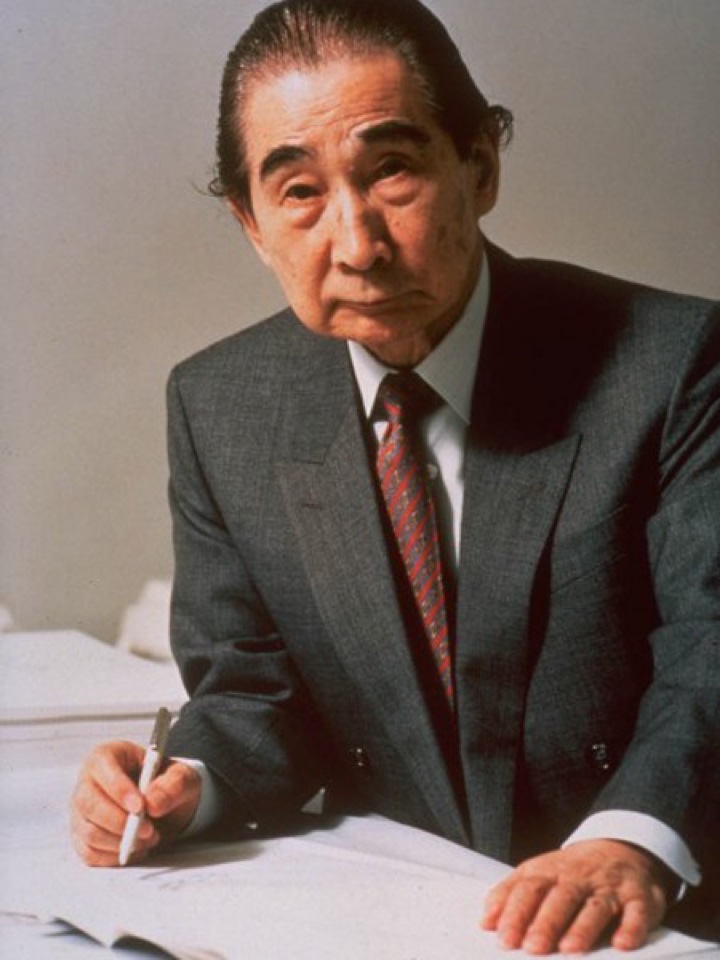
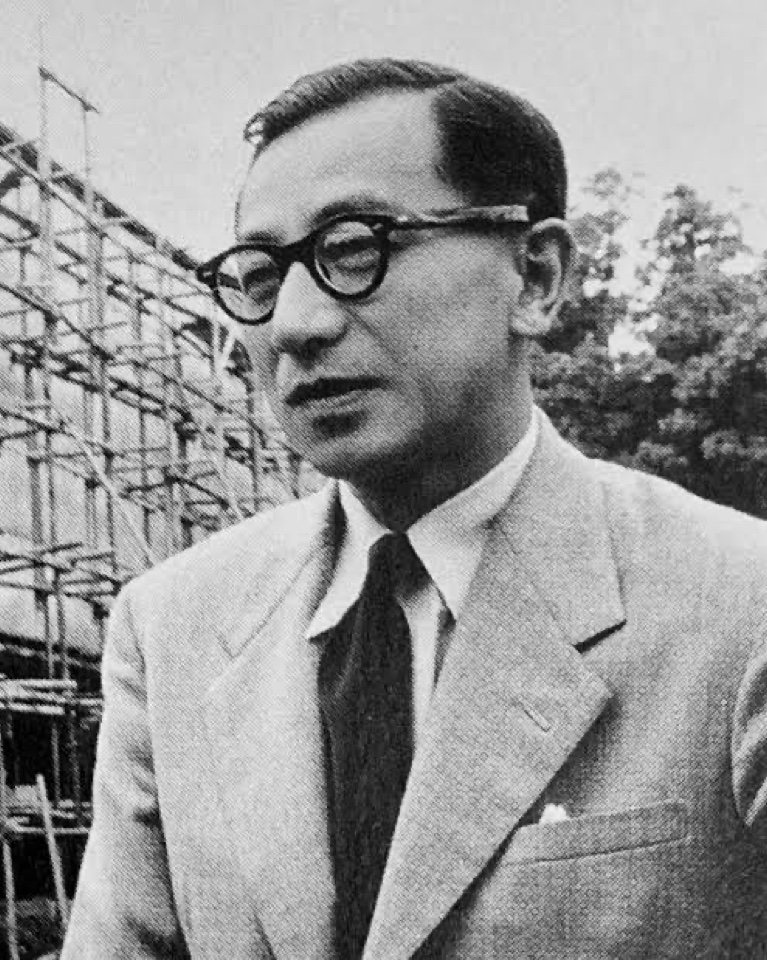
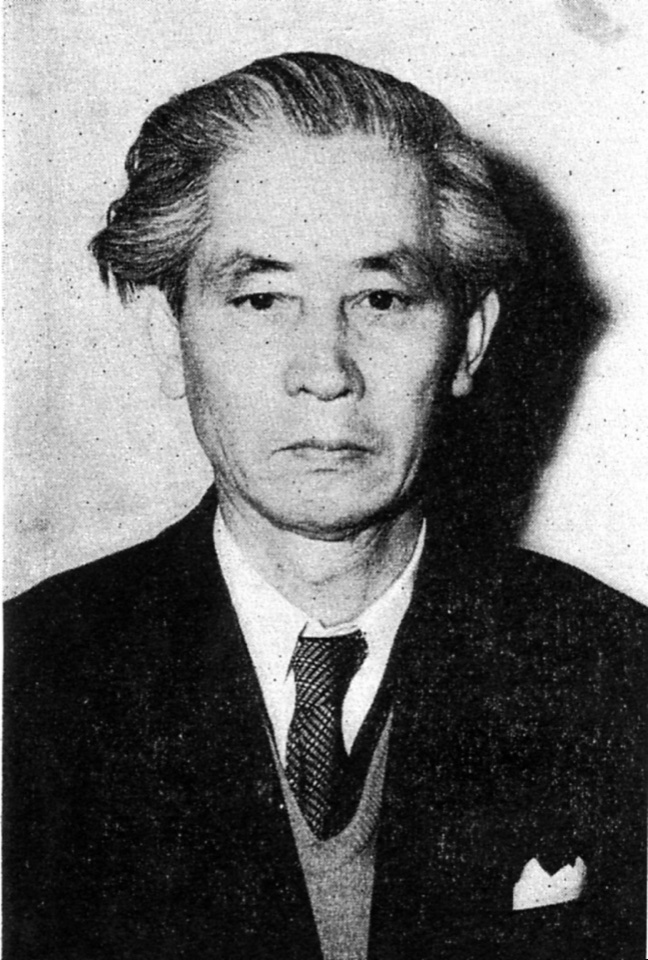
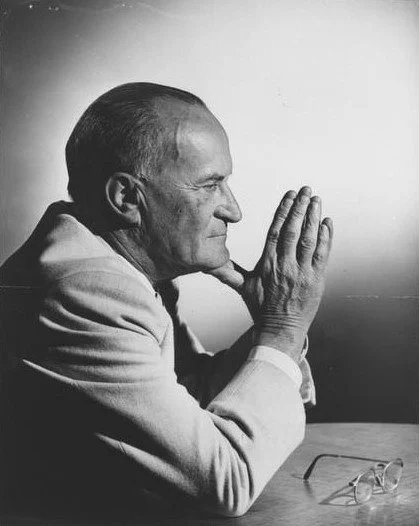
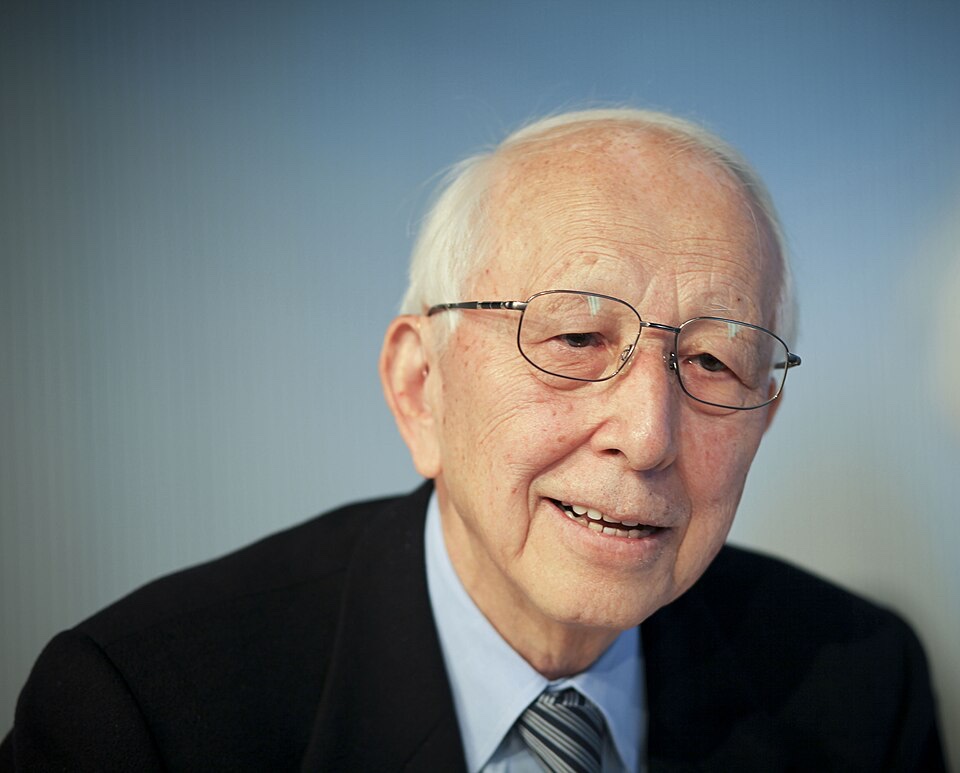
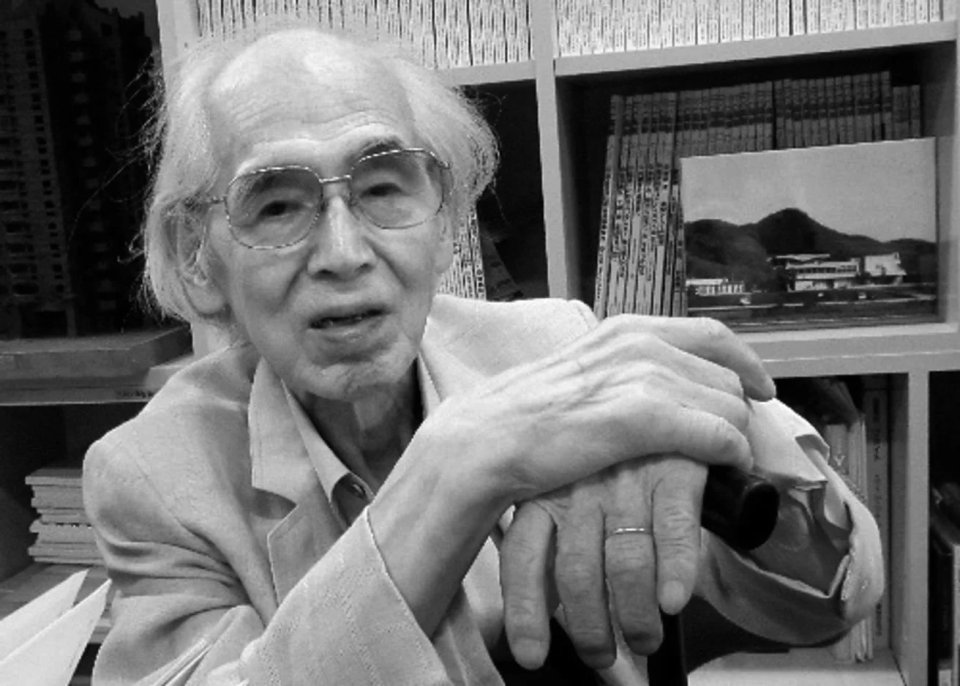
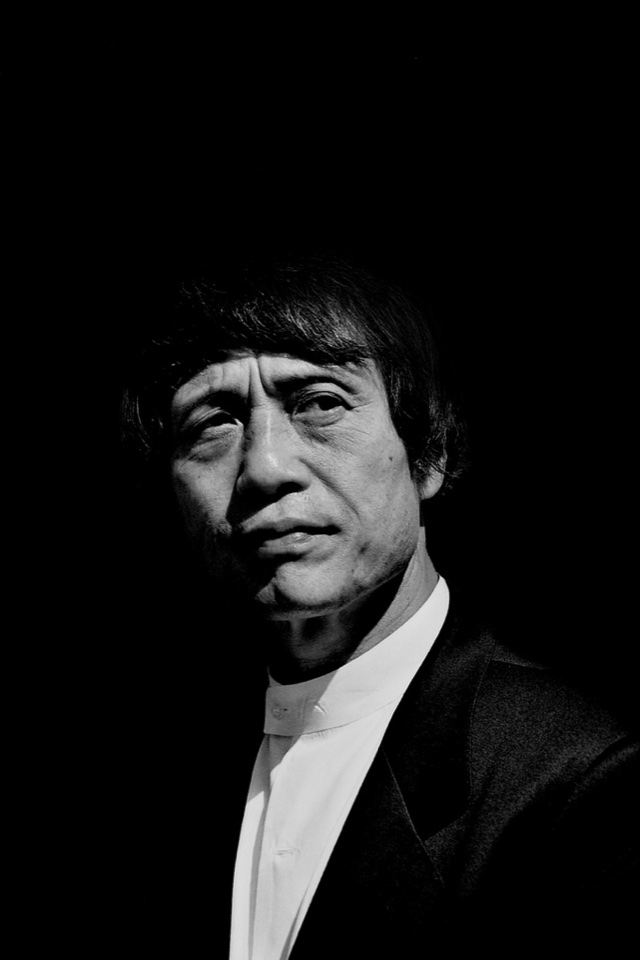
Brutalist architects of Japan