Brutalism in India
15 brutalist buildings on the map · photos, architects and locations
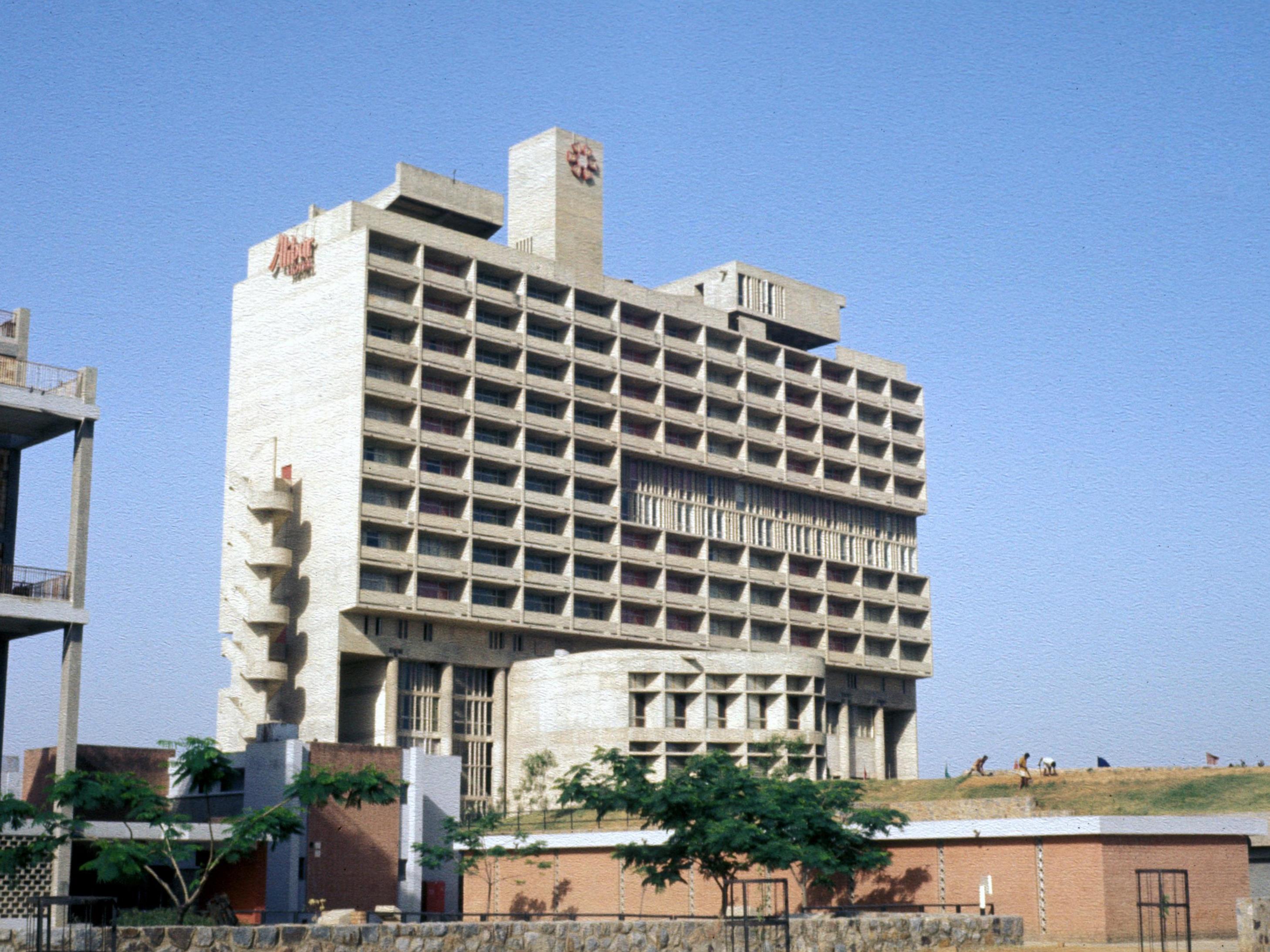
Brutalism arrived in India with independence itself. Nehru invited Le Corbusier to plan Chandigarh in 1951, and the raw concrete of its Capitol Complex became a model for the architecture of the new republic: climate-adapted, monumental and frankly constructed. Louis Kahn added a second pole with his brick and concrete Indian Institue of Management (IIM) (1975) in Ahmedabad, a commission arranged by Balkrishna Doshi, who had worked in Le Corbusier's atelier and went on to build the Tagore Memorial Hall (1971) and the CEPT campus in the same city.
Delhi developed its own school through Achyut Kanvinde, Shiv Nath Prasad and Kuldip Singh, whose NDMC Palika Kendra (1983) gave the capital a stepped concrete high-rise. Charles Correa adapted the vocabulary to Indian conditions with open-to-sky spaces and deep shading, keeping exposed concrete central to Indian public building into the 1980s.
Brutalist buildings in India




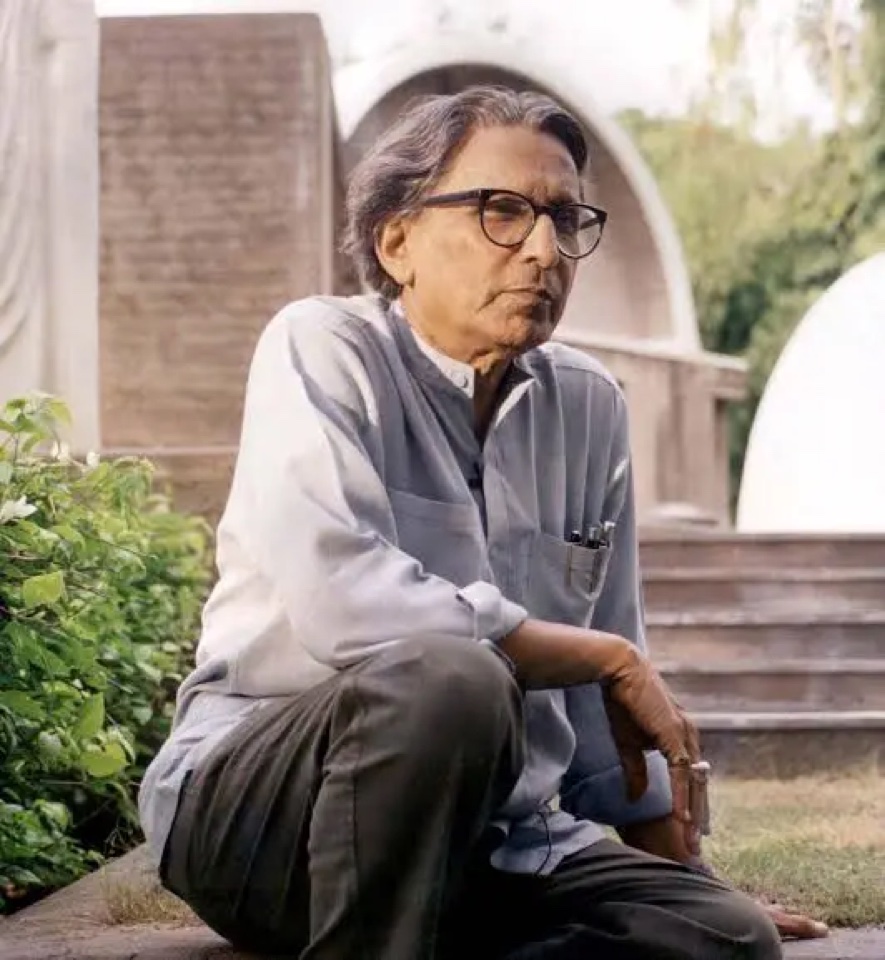
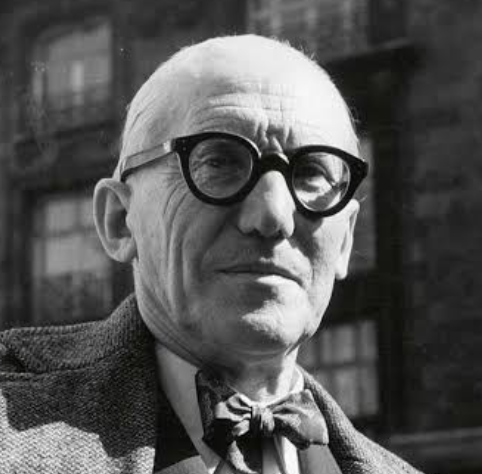
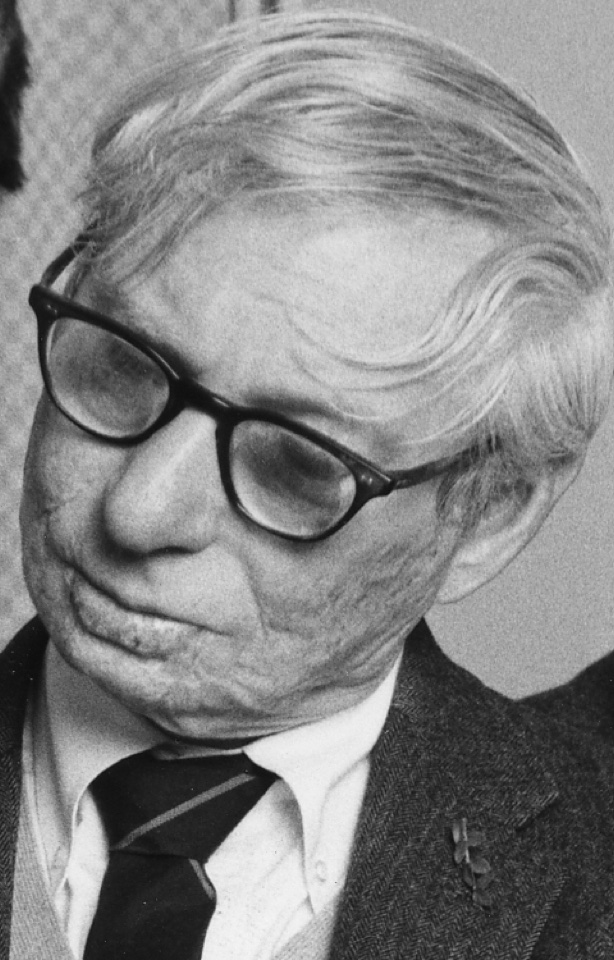
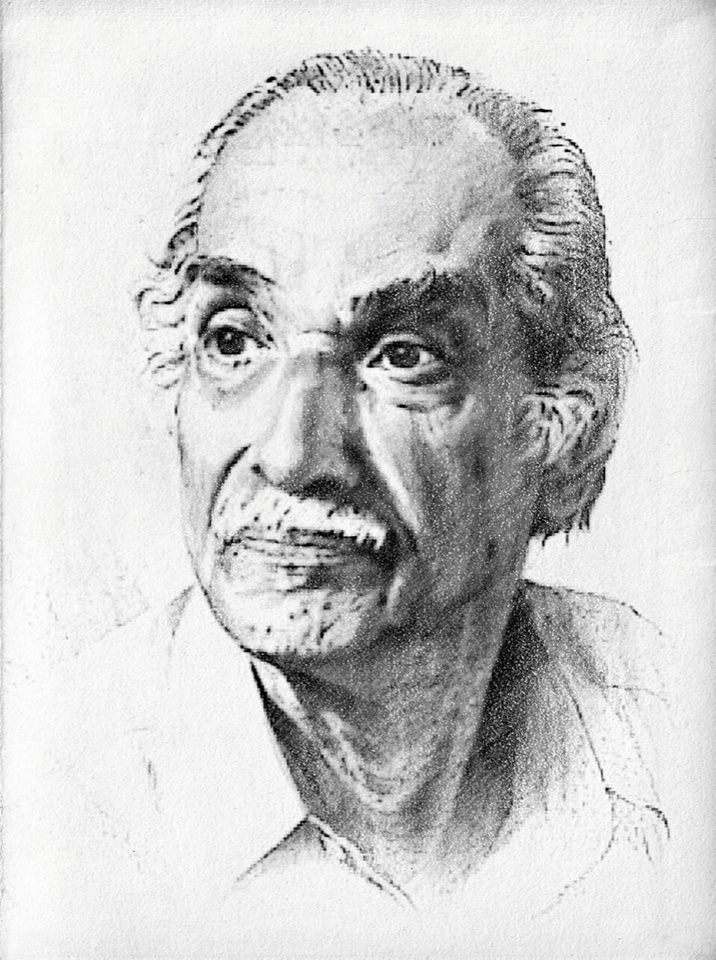
Brutalist architects of India