Brutalism in the United States
137 brutalist buildings on the map · photos, architects and locations
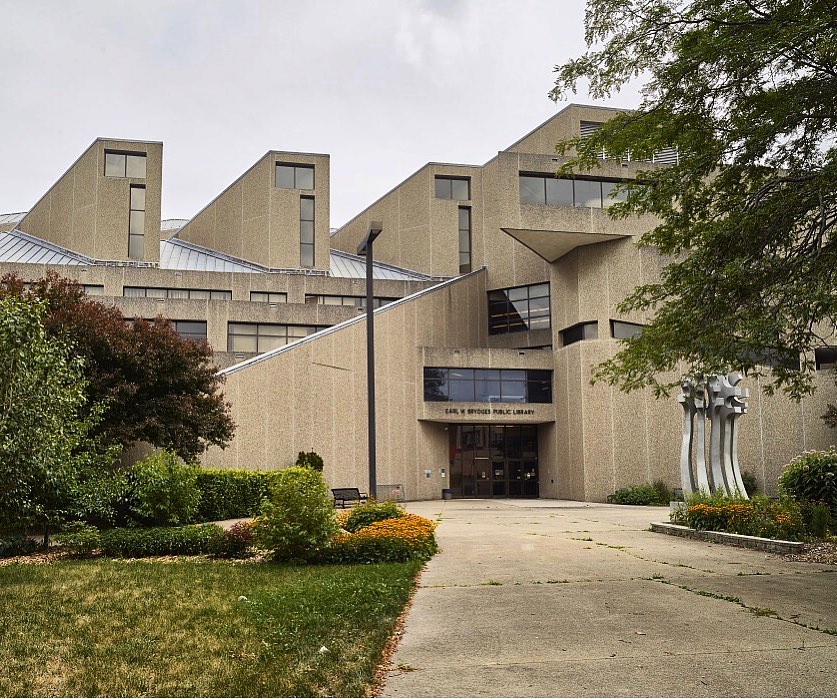
American brutalism grew out of the postwar building boom, when universities, civic governments, and federal agencies needed large institutional buildings fast and chose exposed concrete to give them weight and permanence. Marcel Breuer, who emigrated from the Bauhaus circle, set the tone with sculptural precast facades, while Paul Rudolph pushed corrugated concrete surfaces and complex sectional interiors at Yale and beyond. The style peaked between the late 1950s and mid 1970s, from campus megastructures to courthouses and libraries such as The Earl Brydges Public Library (1974).
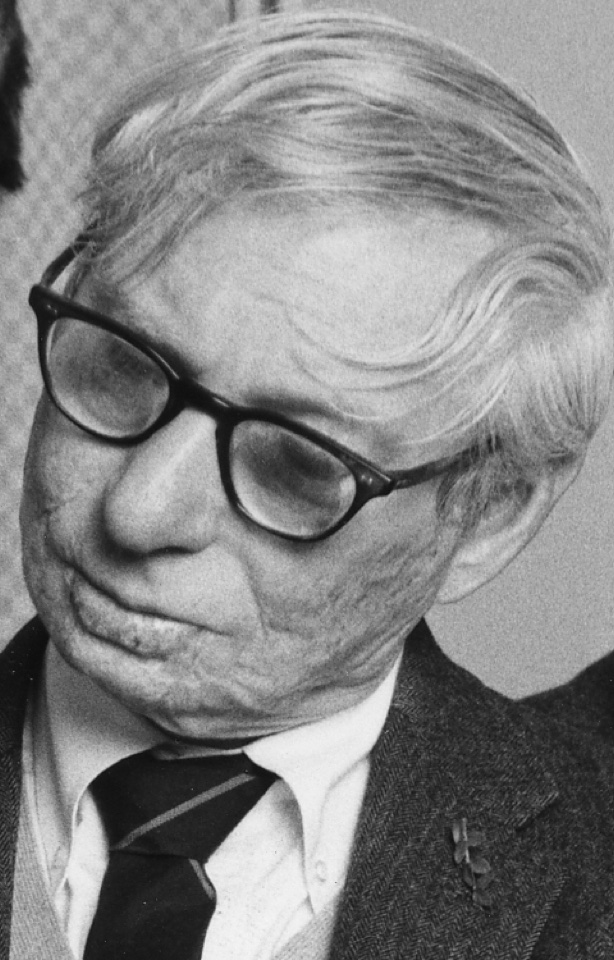
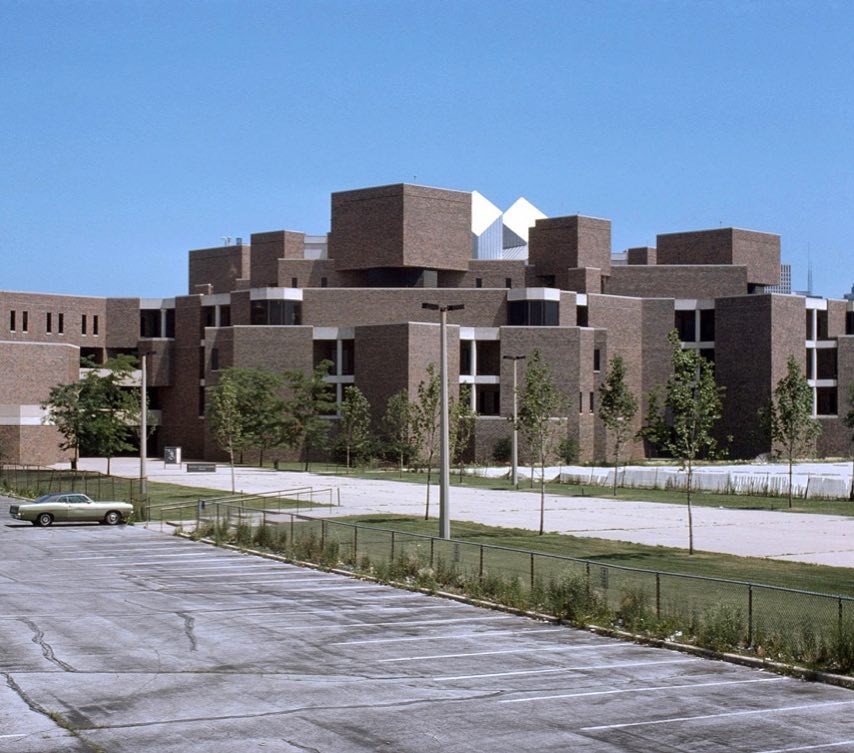
The American strand was less ideological than its European counterparts, often corporate and monumental. I. M. Pei refined concrete into crisp geometric volumes, and Walter Netsch developed his field theory plans for university buildings. Louis Kahn's Salk Institute (1965) in La Jolla, though closer to monumental modernism, remains a touchstone for how American architects treated concrete as a noble material.
Brutalist buildings in the United States






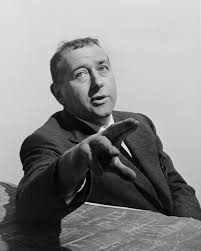
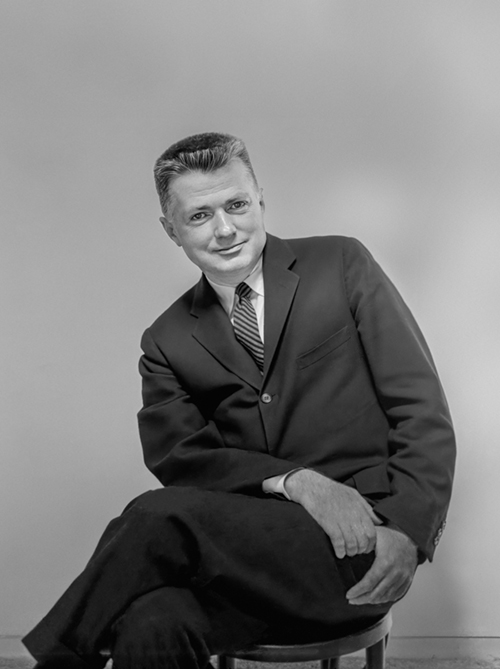
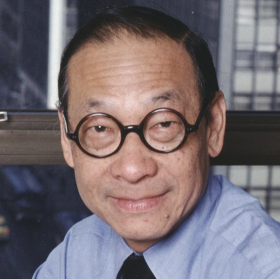
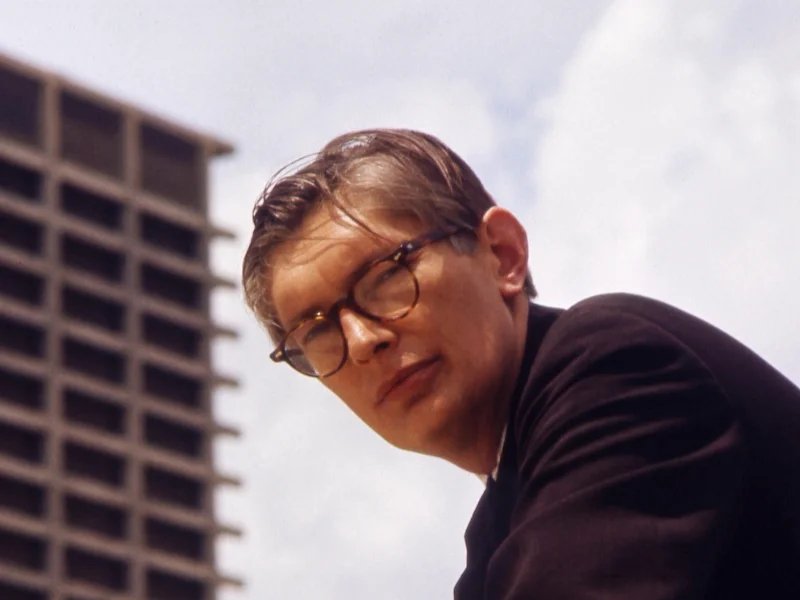
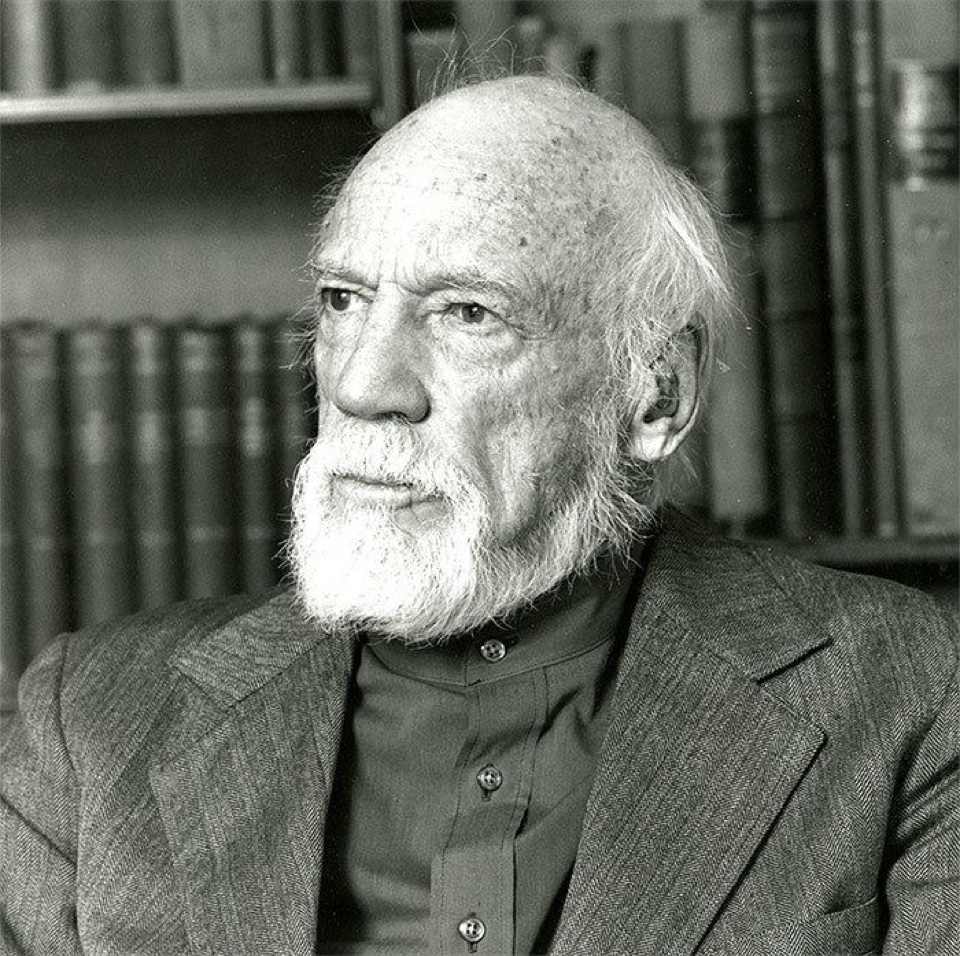
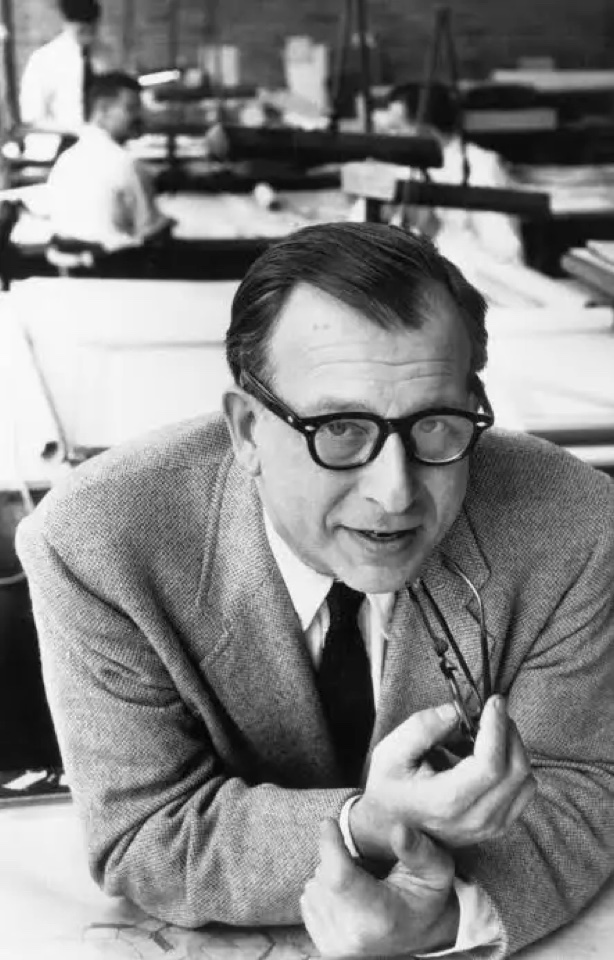
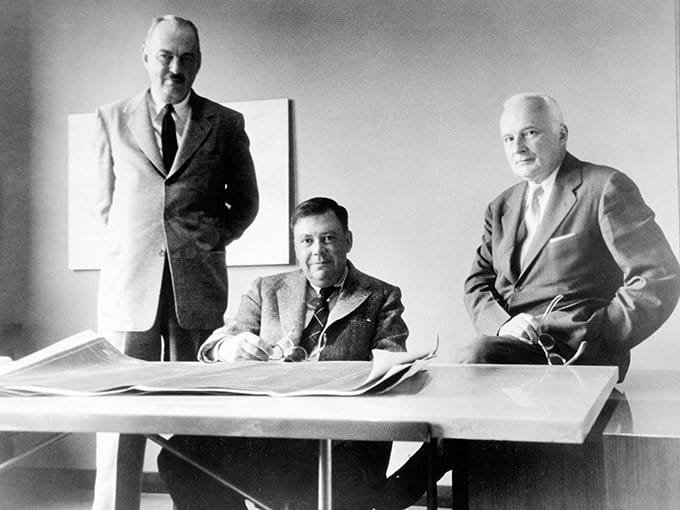
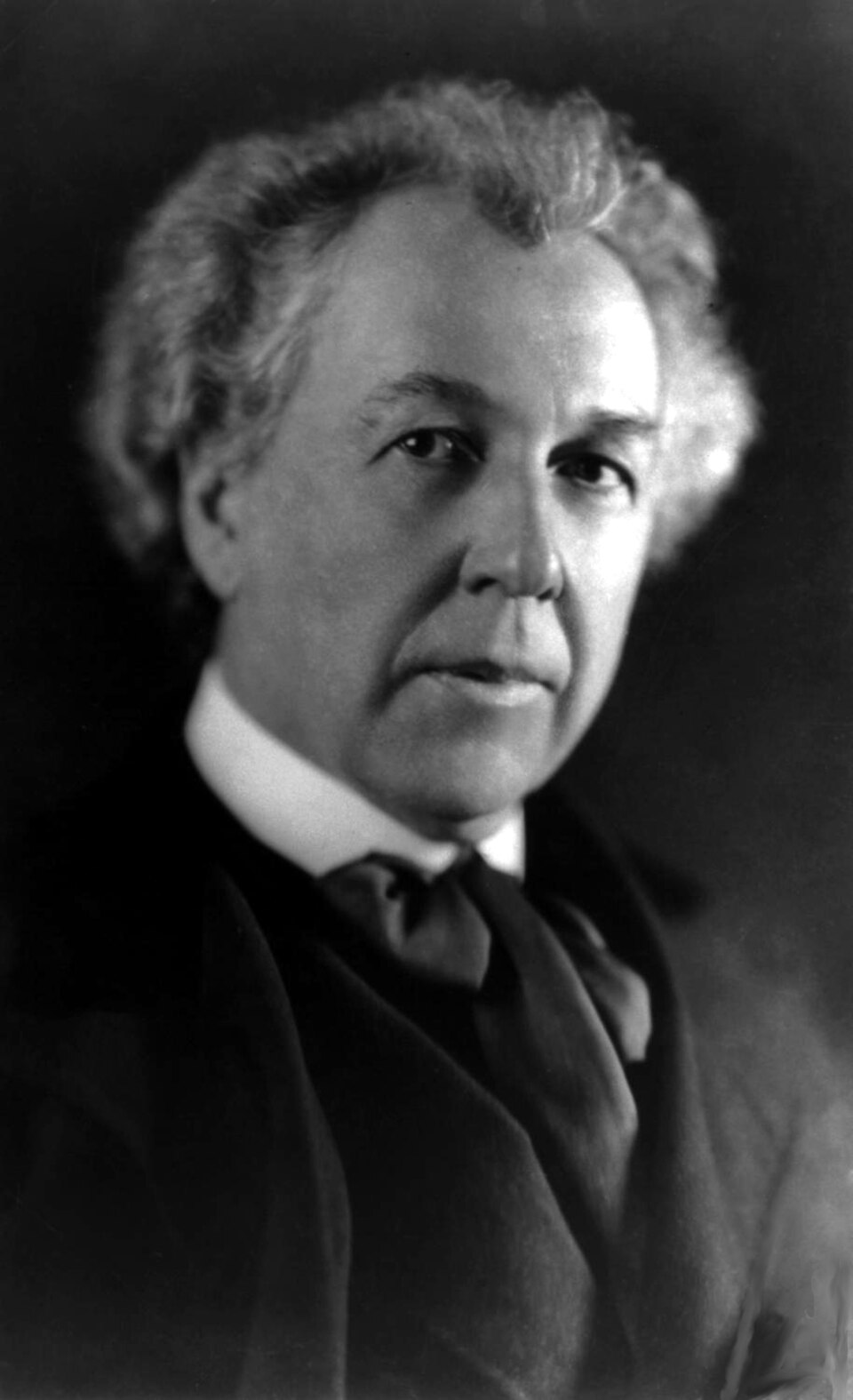
Brutalist architects of the United States